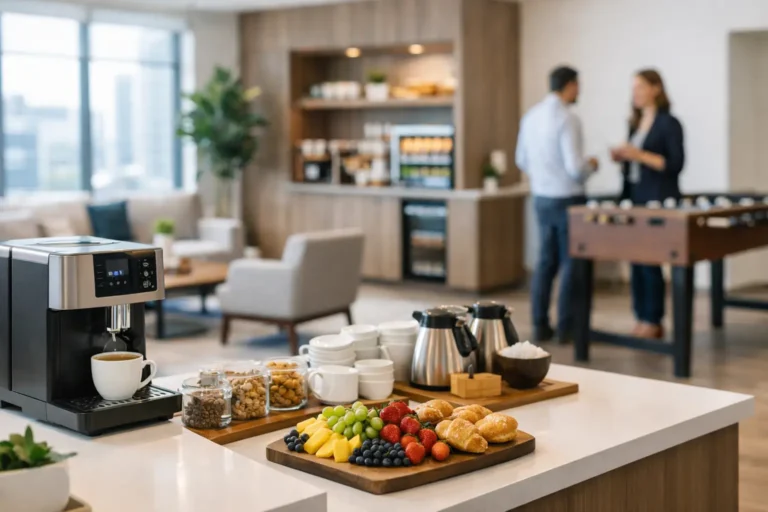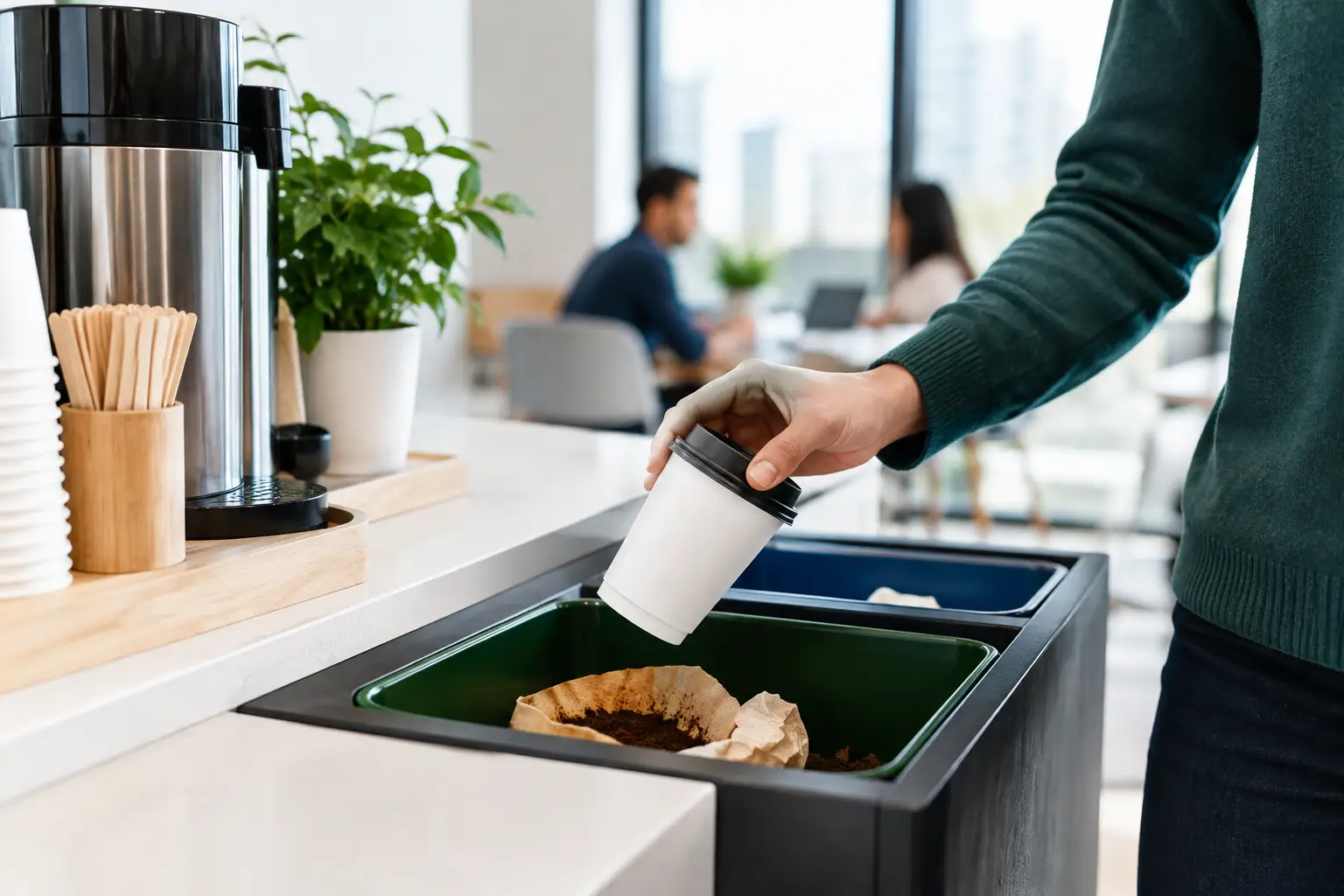
How to Reduce Office Coffee Waste at Work
Learn practical ways to reduce office coffee waste, lower breakroom costs, and keep your Canton workplace stocked with drinks employees enjoy every day.
A half-full pot poured down the sink, stale creamers in the back of a cabinet, and a machine that dispenses drinks no one orders may seem like small breakroom issues. Over a month, they add up to unnecessary spending, clutter, and a less polished employee experience. The good news is that you can reduce office coffee waste without making your workplace coffee program feel limited or complicated.
For Canton-area businesses, the best approach is not simply buying fewer supplies. It is building a coffee setup around what your staff and visitors actually drink, then keeping it properly stocked, maintained, and easy to use.
Start With the Waste You Can See
Coffee waste is not just used grounds. In a workplace, it usually shows up in a few repeat patterns: brewed coffee that sits too long, unopened products that expire, disposable cups used when reusable mugs are available, and ingredients ordered without a clear picture of demand.
Take one or two weeks to observe the breakroom before changing anything. Notice what gets refilled constantly, what stays untouched, and what employees throw away. If a full pot is brewed every afternoon but only a few cups are poured, that is a clear signal to change the routine. If French vanilla drinks disappear quickly while a particular syrup barely moves, your supply mix needs adjusting.
This does not need to become another project for an office manager. A simple check-in with staff and a quick look at what is left over at the end of the week can reveal a lot. The goal is to make decisions based on real use, not guesswork.
Move Beyond the Always-On Coffee Pot
Traditional drip coffee has a place in many offices, especially when several people want plain coffee at the same time. But brewing large batches creates a built-in waste risk. Coffee loses its fresh flavor as it sits, so employees often skip an older pot and make a new one. The result is more coffee brewed than consumed.
A bean-to-cup or single-serve commercial machine can help because it prepares a drink when someone wants one. Instead of keeping a pot full for an unknown number of drinkers, employees can choose a café Americano, espresso, cappuccino, latte, hot chocolate, or another beverage at the touch of a button.
The right choice depends on your office. A busy training session or large client meeting may still call for a batch brewer. For everyday use, on-demand drinks can offer better portion control and more variety with less leftover coffee. A blended setup often works well: use fresh, on-demand beverages for daily service and brew larger quantities only for scheduled groups.
Match Supplies to Real Preferences
A premium coffee program should feel generous, not overstocked. There is a difference. Keeping every possible flavor or add-on in the breakroom can create expired inventory and make restocking harder than it needs to be.
Ask employees what they use most. You may find that your office wants a strong regular coffee, decaf, milk-based espresso drinks, and a few seasonal choices. That is enough to create a high-quality experience without filling cabinets with products that rarely leave the shelf.
Client-facing workplaces should also consider what reflects their hospitality standards. A professional machine that makes consistent espresso-based beverages can eliminate the need for multiple partial bags of coffee, flavored powders, and specialty items. Fewer products, chosen well, often give guests a better experience than a crowded and inconsistent coffee station.
Freshness matters here. Buying supplies in oversized quantities may look economical on paper, but it can cost more if beans, powders, creamers, or flavor ingredients go unused. Order quantities should reflect consumption, storage conditions, and delivery frequency. Businesses with changing headcounts or seasonal schedules may need a more flexible restocking plan than businesses with steady daily attendance.
Use Reusables Where They Make Sense
Disposable cups are convenient, particularly for visitors, meetings, and employees heading out the door. They are not automatically the wrong choice. But when disposable cups become the default for people who stay in the office all day, waste grows quickly.
Give employees an easy alternative. Keep clean ceramic mugs in a visible spot, make sure there is a practical place to rinse or load them, and reserve disposable cups for guests, travel, and high-volume events. Some offices also encourage employees to keep a personal mug at their desk.
This works best when it is convenient. If reusable mugs are stored in a hard-to-reach cabinet or the dishwasher is always full, people will reach for the paper cup. Small operational details matter more than a reminder sign.
Make Cleanup Part of the Service Plan
Messy equipment and neglected stations create hidden waste. When a coffee machine is not cleaned correctly, drink quality can suffer. Employees may use extra ingredients trying to improve a weak or inconsistent beverage, or they may abandon the machine and purchase drinks elsewhere. Leaks, clogs, and calibration issues can also waste water, coffee, and product before anyone notices.
Regular cleaning and maintenance protect both the equipment and the coffee experience. It also helps prevent the costly cycle of waiting until a machine breaks, then rushing to find a repair solution while the office is without its daily coffee option.
This is one reason outsourced workplace coffee service can be a practical fit for companies that do not want staff managing beans, ingredients, troubleshooting, and maintenance. Sip and Smile Gourmet Coffee provides equipment, beverage supplies, routine cleaning, repairs, and restocking so the coffee station stays ready without adding another task to your team’s list.
Create a Simple Plan for Meetings and Events
Large meetings can create a surprising amount of waste because coffee is often ordered or brewed based on habit rather than attendance. A conference room set for 30 people does not always need enough coffee for 30 full cups, especially if the meeting is short or scheduled after lunch.
Plan beverage service around the event itself. For a morning presentation, coffee demand may be high. For an afternoon client meeting, a smaller coffee offering plus water, hot chocolate, or specialty drinks may be a better fit. If possible, make drinks available on demand rather than setting out multiple full pots before guests arrive.
For recurring meetings, use what you learn. If one carafe is always untouched, scale back next time. If attendees consistently ask for decaf or espresso drinks, build that option into the plan instead of overproducing regular coffee.
Give Employees a Better Option, Not More Rules
The most effective waste-reduction changes are easy to follow because they improve the breakroom experience. People are more likely to use the right cup, choose a made-to-order drink, and avoid opening unnecessary supplies when the setup is clear and enjoyable.
Avoid turning coffee waste into a strict office policy with too many rules. A short, friendly message can be enough: use mugs when you are staying in the office, make only what you plan to drink, and let the office manager know when a product is running low or unused. Employees generally respond well when they understand that the goal is less waste and better coffee, not fewer benefits.
Review the Program as Your Office Changes
Your workplace coffee needs will change with staffing, schedules, and seasons. A company that brings everyone onsite three days a week will use supplies differently than one with a full daily office. A busy hiring period, new client traffic, or a growing team can all change beverage demand quickly.
Review your program a few times each year. Look for products that are consistently left over, frequent shortages that lead to last-minute buying, and equipment that no longer matches how people drink coffee. This keeps costs in line while protecting the premium experience your staff and guests notice.
A well-run coffee station should not leave your team with stale pots, expired supplies, or another maintenance problem to solve. It should offer a small daily moment of quality, hospitality, and convenience – with less going down the drain.