Commercial Brewer Reviews for Better Offices
Use commercial brewer reviews to compare quality, capacity, service, and cost for a Canton, Ohio office coffee program your team will actually enjoy.
A coffee machine can look impressive in a breakroom and still create more work than it is worth. The most useful commercial brewer reviews go beyond a star rating or a list of drink buttons. For a workplace, the real question is whether the machine consistently gives employees and guests a great drink without leaving an office manager to troubleshoot, clean, restock, and call for repairs.
For Canton-area businesses, a commercial coffee program should feel like a welcome part of the workday, not another facility task. The right brewer can support employee satisfaction, make client meetings feel more polished, and give people a reason to gather outside the conference room. The wrong one can mean weak coffee, empty ingredient bins, long lines, and a machine that is out of service when someone needs it most.
What Commercial Brewer Reviews Often Miss
Many reviews focus on the machine itself: its footprint, output, menu options, or price. Those details matter, but they only tell part of the story. An office beverage program has moving parts that do not show up in a product photo.
Coffee beans need to stay fresh. Milk powder, chocolate, cups, lids, sweeteners, and seasonal ingredients need to be available. The brewer needs routine cleaning to protect drink quality. And when a component fails, someone needs to take ownership quickly. A low purchase price does not stay low if your staff loses time managing supplies and resolving service issues.
That is why the best commercial brewer choice depends on more than the equipment brand. It depends on the total experience your business wants to provide and how hands-off you need the program to be.
Commercial Brewer Reviews: What to Compare First
Start by looking at your workplace, not the machine. A 12-person office with occasional visitors has different needs than a medical practice, dealership, manufacturing facility, or professional office where clients spend time in the lobby.
Drink quality and menu variety
A standard drip brewer can be a practical fit for teams that primarily want a dependable cup of regular coffee. It is familiar, fast, and straightforward. But it may not deliver the café-style experience many employers want when they are trying to upgrade a breakroom or create a stronger impression for visitors.
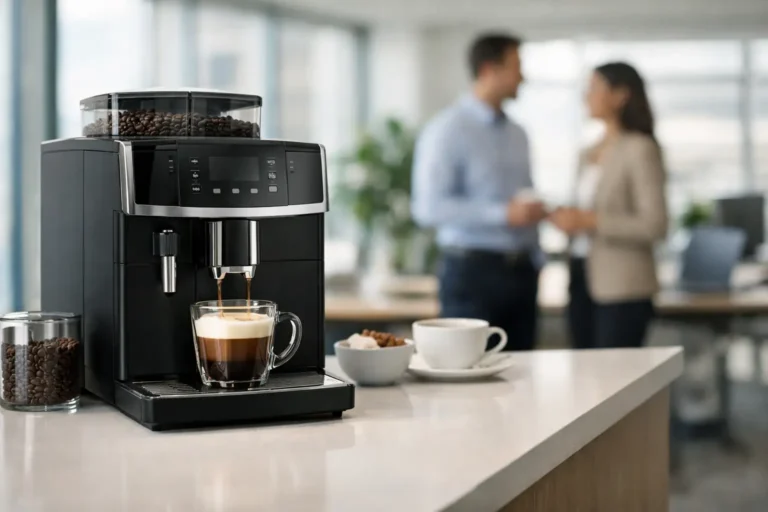
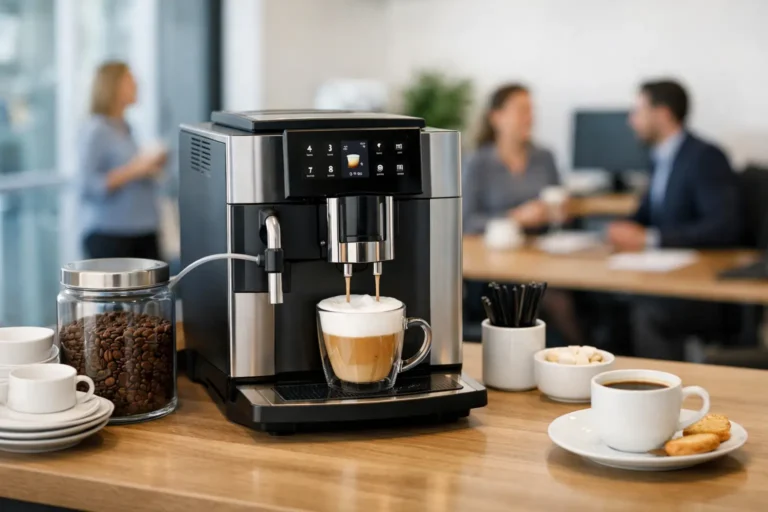
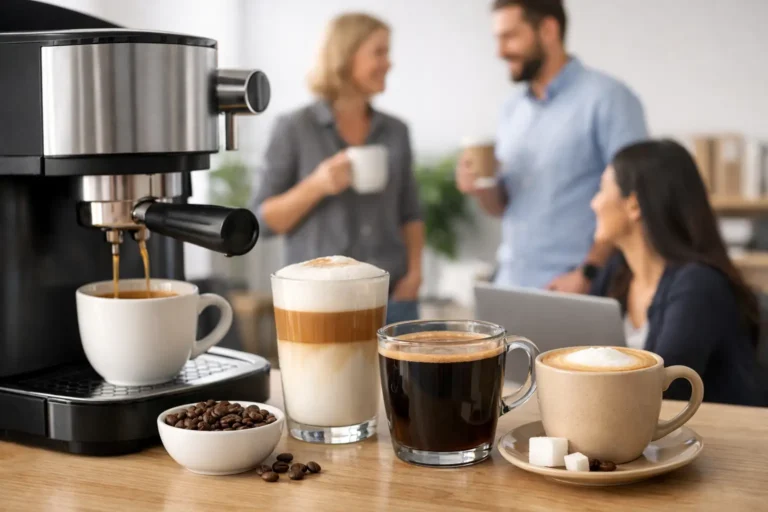
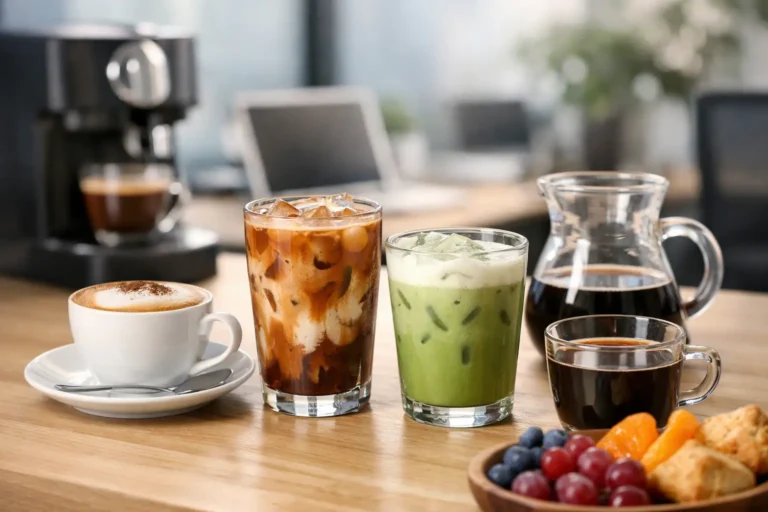
Bean-to-cup barista machines offer a different kind of value. They grind fresh beans and create espresso-based beverages at the touch of a button. Depending on the setup, employees can choose cappuccinos, café lattes, Americanos, mochaccinos, hot chocolate, French vanilla drinks, and seasonal options. That range makes the machine more likely to serve the whole team, including people who do not drink traditional black coffee.
More menu choices are not automatically better. If your staff prefers simple coffee, an oversized drink menu may go underused. But when you have varied tastes, a quality barista machine can replace the need for employees to leave the building for afternoon coffee runs.
Daily volume and peak demand
Capacity should be based on busy moments, not just employee headcount. Think about the morning rush, shift changes, staff meetings, and the times clients are likely to arrive. A machine that performs well for 30 drinks spread throughout a day may feel slow if 15 people use it within the same 20-minute window.
Ask how quickly the brewer prepares a drink, how often water or ingredients must be refilled, and whether it can handle back-to-back orders without sacrificing quality. In practical commercial brewer reviews, reliability under normal office traffic matters more than an impressive maximum capacity listed on a spec sheet.
Ease of use for real people
Your coffee program should be simple enough that a first-time visitor can use it without asking for help. Clear drink selections, consistent portions, and minimal mess make a noticeable difference. Employees should not need to measure grounds, steam milk, adjust complicated settings, or wonder whether the machine has been cleaned.
A touch-button system is especially useful in shared workplaces because it delivers the same drink experience from one person to the next. That consistency protects quality and avoids the common breakroom problem of a machine that only one employee knows how to operate.
Cleaning, maintenance, and repair support
This is where many commercial coffee decisions go wrong. Every machine needs care, and premium machines are no exception. Coffee oils, milk ingredients, mineral buildup, and frequent use all affect performance over time.
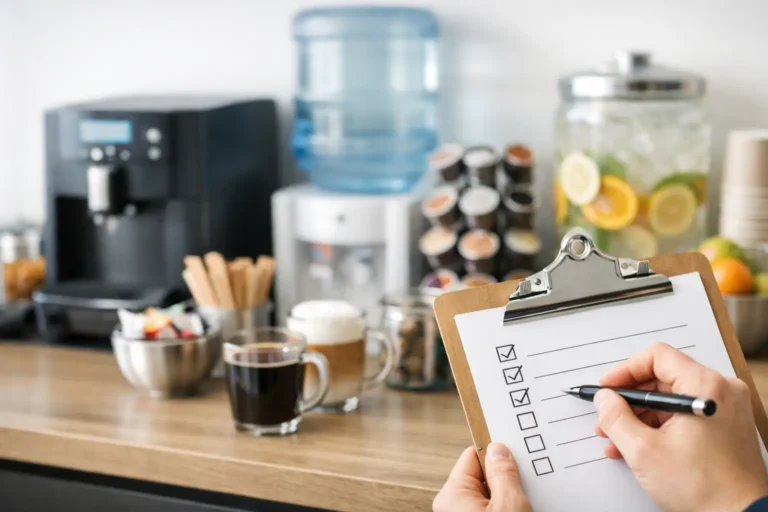
Before choosing a brewer, find out who handles weekly cleaning, preventive maintenance, repairs, and ingredient restocking. If those responsibilities fall to your internal team, be realistic about whether they have the time and training to do them well. A coffee machine is a workplace perk, but it should not quietly become someone else’s second job.
For many businesses, a full-service program is the better value because it removes that burden. Equipment, fresh roasted beans, beverage ingredients, scheduled service, and repairs are handled as one coordinated solution. The office gets the benefit without taking on equipment ownership or maintenance responsibility.
The Four Brewer Types Businesses Usually Consider
There is no single winner for every workplace. Each option comes with a trade-off between experience, convenience, and ongoing support.
- Traditional drip brewers work well for high volumes of straightforward coffee. They are familiar and cost-conscious, but they offer limited variety and can leave coffee sitting too long between refills.
- Single-serve pod brewers give employees choice and create little preparation work. However, per-cup costs can add up, waste can be a concern, and the result may not feel like a premium café beverage.
- Commercial espresso machines can produce excellent drinks, but manual models require a trained person to grind, tamp, steam, and clean. They are a better fit for hospitality settings with dedicated staff than for a self-serve office breakroom.
- Bean-to-cup barista machines combine fresh beans, espresso-based drink options, and touch-button convenience. They are often ideal for offices that want a premium experience, provided service and supply support are in place.
The strongest option is the one that matches your team’s habits. A simple brewer that stays stocked and works every day is better than a sophisticated system nobody has time to manage.
Look Beyond the Machine Price
A commercial brewer purchase can appear less expensive than a service arrangement at first glance. But purchase price is only one line item. Consider installation, water filtration, ingredient ordering, cleaning supplies, routine maintenance, repairs, replacement parts, staff time, and the cost of a backup plan when the brewer is down.
There is also the employee experience cost. If the office coffee is inconsistent or inconvenient, people notice. Some leave the office for drinks. Others skip the amenity altogether. A better coffee program is not only about caffeine. It is a daily signal that the company cares about comfort, hospitality, and the details that make work more enjoyable.
For a client-facing business, that signal starts before the meeting begins. Offering a fresh latte, cappuccino, hot chocolate, or quality coffee in the lobby can make a visitor feel genuinely welcomed. It is a small moment, but it reflects on your business.
Questions to Ask Before You Commit
Use commercial brewer reviews as a starting point, then ask questions that apply directly to your office. How many drinks will the machine make on a typical day? Which beverages do employees actually want? Is the equipment designed for self-service? Who responds when it needs service? How quickly are supplies replenished? Are environmentally friendly product options available? Can the offering be customized as seasons or team preferences change?
Also ask for clarity on the service model. A dependable provider should make it easy to understand what is included, who handles maintenance, and what happens when the machine needs attention. You should not have to chase down answers when the coffee station is empty before a client meeting.
A Better Standard for Workplace Coffee
The best commercial brewer is not necessarily the one with the most features. It is the one that gives your people a consistently enjoyable beverage experience while keeping the work off your plate. At Sip and Smile Gourmet Coffee, that means pairing Italian-made barista machines with fresh ingredients and ongoing local support, so businesses can focus on their people instead of their coffee equipment.
When you evaluate a new office coffee system, picture an ordinary Tuesday morning. If the machine can help your staff start the day with a drink they look forward to, welcome a client well, and require little attention from your team, you have found more than a brewer. You have found a workplace amenity that earns its place every day.