A Guide to Business Coffee Service Contracts
Use this guide to business coffee service contracts to compare terms, service levels, costs, and support before choosing a workplace coffee partner today.
A coffee machine in the breakroom can look like a simple workplace perk until it runs out of beans before a client meeting, needs cleaning, or stops working on a busy Monday. That is why a guide to business coffee service contracts should focus on more than the monthly price. The right agreement tells you who owns the equipment, who keeps it running, what your team can drink, and how quickly help arrives when something goes wrong.
For Canton-area employers, a well-built coffee service contract turns a daily office task into a dependable amenity. Your staff gets café-style beverages, your visitors receive a more welcoming experience, and your office manager is not stuck troubleshooting equipment or placing last-minute supply orders.
What a Business Coffee Service Contract Should Cover
A business coffee service contract is the working agreement between your company and a workplace coffee provider. It defines the equipment, products, service schedule, pricing, and responsibilities behind your coffee program. It should be clear enough that you know what happens during a normal week and what happens when the unexpected occurs.
The contract does not need to be complicated, but vague language can create frustration. A low monthly equipment price may sound attractive, for example, until you learn that service calls, cleaning, filters, delivery, or certain beverage ingredients are billed separately. Ask for a plain-English explanation of what is included and what is not.
Equipment and ownership
Start with the machine itself. Is the coffee maker leased, loaned as part of the service, or purchased by your business? Equipment ownership affects both your upfront cost and your long-term responsibility.
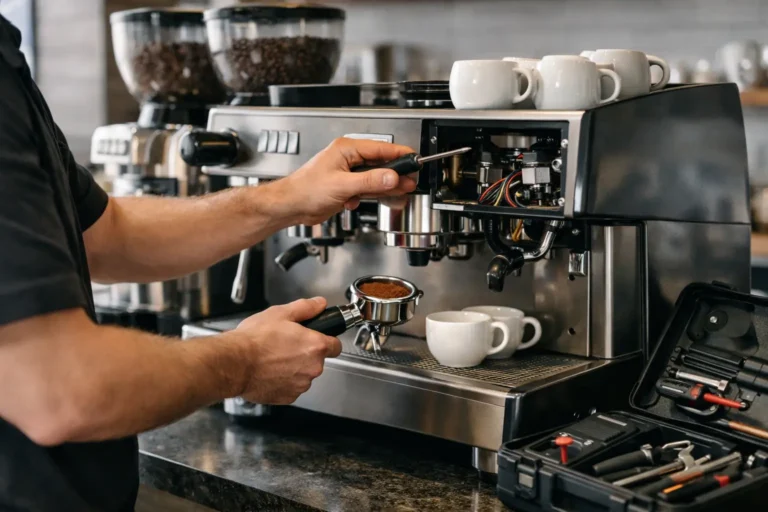
With a full-service arrangement, the provider typically supplies commercial equipment and handles the maintenance required to keep it performing well. That can be a smart fit for offices that want premium drinks without committing capital to a machine that will eventually need repairs or replacement. If you purchase equipment outright, you may have more control, but you also take on the risk and cost of service, parts, and downtime.
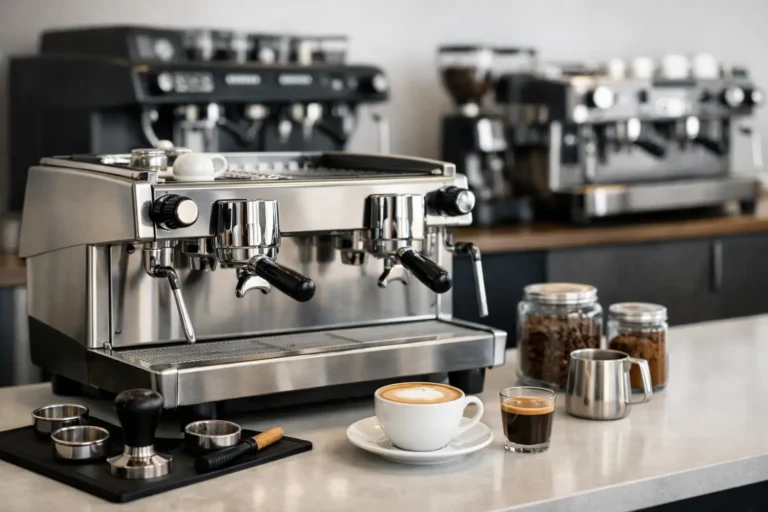
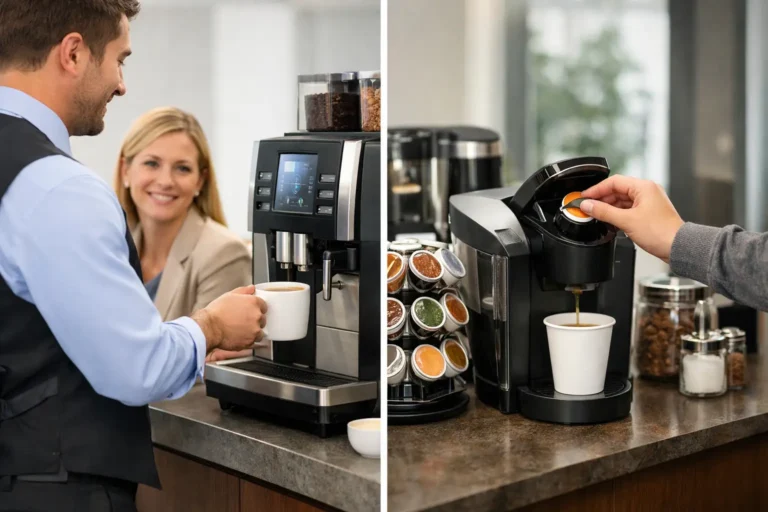
Ask which machine model is included, what beverages it produces, and whether its capacity matches your headcount. An office of 15 employees has different needs than a customer-facing business with frequent visitors and 60 team members. A machine that offers espresso, cappuccinos, lattes, Americanos, hot chocolate, and seasonal drinks can create more excitement than a basic drip brewer, but it should also be supported by a service plan built for that equipment.
Products, choices, and restocking
Coffee service is not just about coffee. Review the contract for fresh roasted beans, milk or powdered toppings, chocolate, French vanilla, tea, cups, lids, sweeteners, stirrers, and any eco-friendly options your company prefers. If your office has dietary needs, discuss decaf, dairy-free choices, and low-sugar beverages before signing.
The best programs allow room for customization. A manufacturing office may value a reliable early-morning coffee setup, while a professional office may want a broader café menu for clients and recruiting visits. Your agreement should explain how beverage selections are chosen, how often they can be adjusted, and whether specialty items change the monthly cost.
Restocking is another detail worth making specific. Weekly service may work well for a steady office, but a workplace with seasonal traffic, training events, or a busy reception area may need a more flexible schedule. Clarify whether the provider monitors inventory during visits, whether your team can request extra supplies, and how much notice is needed for larger orders.
How to Compare Business Coffee Service Contracts
When comparing providers, resist the urge to choose on the equipment fee alone. The better question is: what does it take to keep this coffee experience working every day?
A strong contract makes the service level easy to understand. Look for the following details:
- Installation responsibilities, including water access, electrical needs, and any site preparation.
- Routine cleaning and maintenance frequency, along with who performs the work.
- Repair coverage, response expectations, and whether a temporary or replacement machine is available.
- Product delivery and restocking schedule, including how shortages are handled.
- Monthly minimums, service fees, price adjustments, and charges for supplies outside the standard package.
Those items determine whether the program actually feels hands-off. If your office manager must monitor inventory, schedule repairs, clean internal components, and call several vendors, the service is not delivering the convenience you are paying for.
Ask about response time, not just repair coverage
“Repairs included” sounds reassuring, but it does not tell you when the repair will happen. A workplace coffee machine is part of the rhythm of the office. When it is down for several days, employees notice, visitors notice, and the breakroom quickly becomes one more operational headache.
Ask how service requests are submitted, what response time is typical, and whether local technicians handle the work. Also ask what happens if a repair requires a part that is not immediately available. A dependable provider will be comfortable explaining the process rather than offering a broad promise with no practical timeline.
Local service can make a meaningful difference here. A Canton business may prefer a provider that knows the area, can visit regularly, and treats the account like an ongoing relationship rather than a number in a national call queue.
Understand the commitment and exit terms
Contract length should fit your company’s needs. A longer agreement may provide stable pricing and better equipment options, while a shorter term offers flexibility if your workforce, office location, or beverage needs are changing. Neither is automatically better.
Read the renewal and cancellation language carefully. Find out whether the contract renews automatically, how much notice is required to cancel, and whether early termination fees apply. If the machine is installed at no upfront cost, an early termination provision is common because the provider has invested in equipment, installation, and onboarding. The key is that the terms should be clear before the machine arrives.
Also review price-change language. Ingredient costs can fluctuate, especially for coffee and specialty beverage supplies. A reasonable agreement explains when price adjustments can happen and how customers will be notified. Surprises are rarely a good foundation for a service relationship.
Questions to Ask Before You Sign
Before making a final decision, give the provider a realistic picture of your office. Share your employee count, shift schedule, visitor traffic, existing beverage setup, and preferred drink menu. Then ask a few direct questions: How often will you visit? Who cleans the machine? What happens when supplies run low? How quickly can you respond to a breakdown? What will our monthly invoice include?
It is also helpful to ask for a recommendation based on your workplace rather than simply selecting the biggest machine or the lowest-cost package. The right solution should feel appropriately sized. Too little capacity creates lines and frequent refills. Too much equipment can mean paying for features your team will not use.
At Sip and Smile Gourmet Coffee, the goal is to make getting started easy: install the equipment, stock the ingredients, maintain the machine, and keep the beverages coming so your team can enjoy the benefit without taking on another task.
A Contract Should Make Coffee Easier
The best coffee service contract does more than protect both parties. It sets clear expectations for a workplace experience your employees can count on. When the machine, supplies, cleaning, repairs, and service schedule are all accounted for, coffee stops being a breakroom chore and becomes a polished daily touchpoint.
Choose a partner that can explain the agreement clearly, tailor the program to your office, and stand behind the service after installation. Your staff and clients should notice the great coffee. They should never have to notice the work it takes to keep it there.