Automatic Coffee Machine Installation Process
See how the automatic coffee machine installation process works, from site planning to staff-ready drinks, with service support built in for your office.
A great workplace coffee program should feel easy from the first cup. The automatic coffee machine installation process is not simply placing a machine on a counter and plugging it in. It starts with understanding your workplace, selecting the right equipment and beverage options, and preparing the space so employees and guests can enjoy café-style drinks without creating more work for your team.
For Canton-area businesses, a professionally installed automatic coffee machine can turn a breakroom, reception area, or meeting space into a place people genuinely enjoy using. The goal is simple: you WOW your staff and clients with quality coffee while someone else handles the details.
What a Professional Installation Should Include
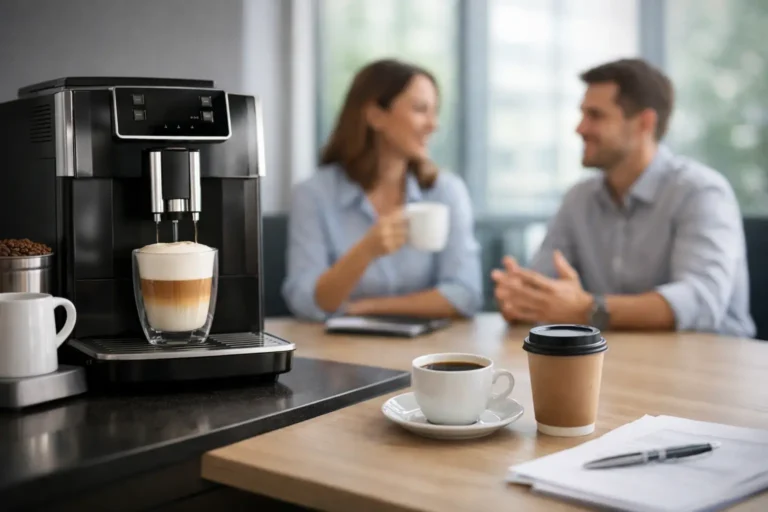
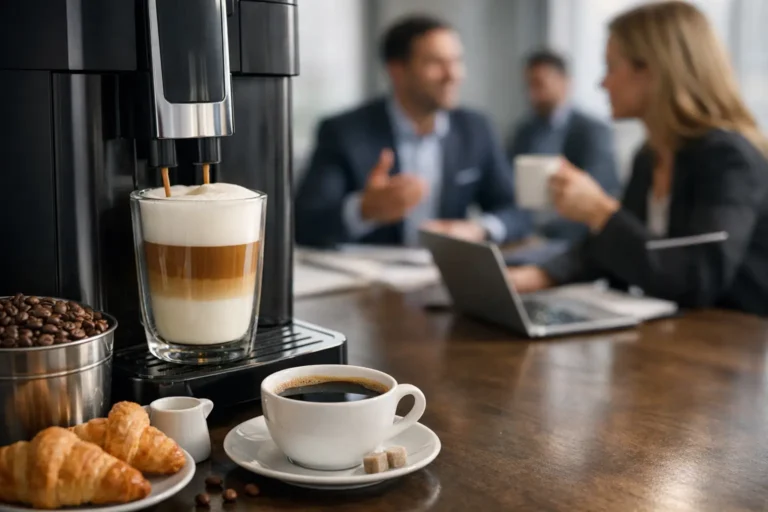
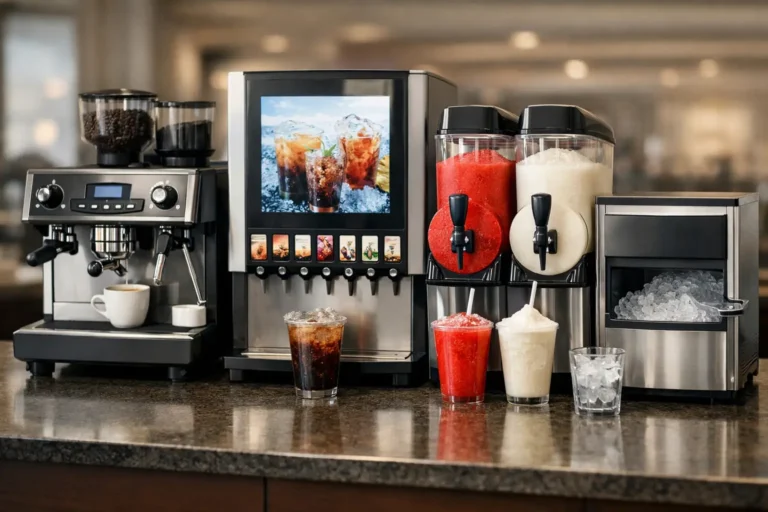
A commercial automatic coffee machine is designed to make espresso, cappuccinos, café lattes, Americanos, hot chocolate, French vanilla drinks, and more at the touch of a button. That convenience depends on a setup that fits the machine, the available utilities, and the number of people who will use it each day.
A full-service provider begins by looking at how your business operates. A busy office with 50 employees has different needs than a small client-facing showroom or a healthcare waiting area. Drink preferences matter, too. Some teams want a dependable bean-to-cup coffee program, while others benefit from a broader menu with milk-based drinks, chocolate beverages, and seasonal selections.
The right installation plan accounts for traffic, available space, electrical access, water needs, and the practical question every office manager asks: who will keep this running? With a managed coffee service, the answer is not your facilities team or office administrator.
Site Planning Before the Automatic Coffee Machine Installation Process
The best installations are planned before equipment arrives. This prevents last-minute counter changes, inconvenient machine placement, or a setup that is difficult to service later.
Choose a location people will use
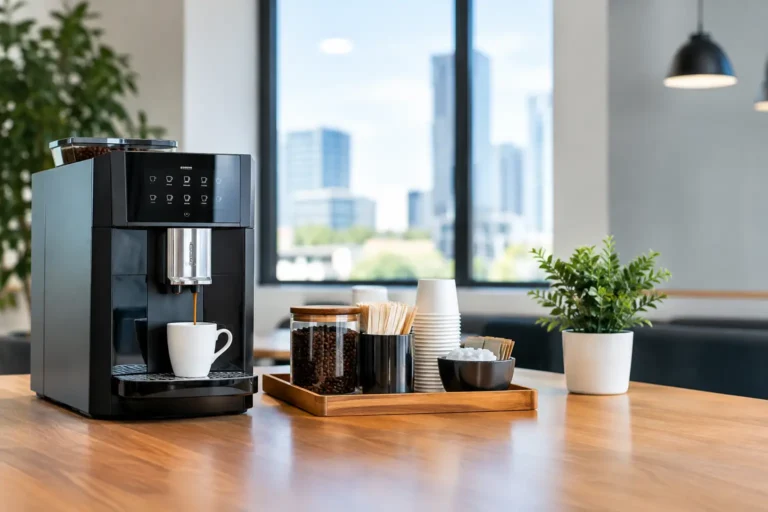
The machine should be easy for employees and visitors to find, but it should not create a bottleneck in a narrow hallway or at the entrance to a busy breakroom. A counter near the kitchen, collaboration area, or reception space often works well. Leave enough room for cups, lids, stirrers, sweeteners, and the ingredients your drink menu requires.
Think about the experience around the machine. If people need to carry drinks across the office to find milk or supplies, the setup will feel less polished. A compact beverage station with the essentials close at hand encourages use and keeps the area cleaner.
Confirm power, water, and drainage requirements
Commercial coffee equipment has specific utility requirements that vary by model. Some machines need a dedicated water line, while others use a refillable reservoir. Certain setups may also need drainage. Your provider should review these details in advance and coordinate around your available connections.
Electrical needs are just as important. A machine may require a standard outlet or a particular circuit depending on its capacity and features. Avoid relying on extension cords or crowded power strips. Proper access protects the equipment, supports consistent performance, and keeps the installation area looking professional.
This is where a no-complication service partner makes a real difference. Instead of trying to interpret equipment specifications on your own, you can receive a clear recommendation based on your space and expected usage.
Set expectations for daily volume
A machine that serves a small team comfortably may struggle if it becomes the main coffee source for a large office, especially during morning rushes or meetings. Estimate how many drinks your workplace will make on a typical day and whether client hospitality is part of the plan.
There is a trade-off between a smaller footprint and higher output. Larger-capacity equipment may take more counter space, but it can reduce refill needs and keep up with demand. The right choice depends on your employee count, office layout, drink menu, and how often visitors are served.
Delivery, Setup, and Testing
Once the location and equipment are confirmed, the installation day should be organized and efficient. The machine is delivered, positioned, connected according to its requirements, and prepared for use. If your program includes fresh roasted beans, milk or powder products, cups, and other supplies, those items should be arranged as part of the beverage station rather than left for your team to sort out.
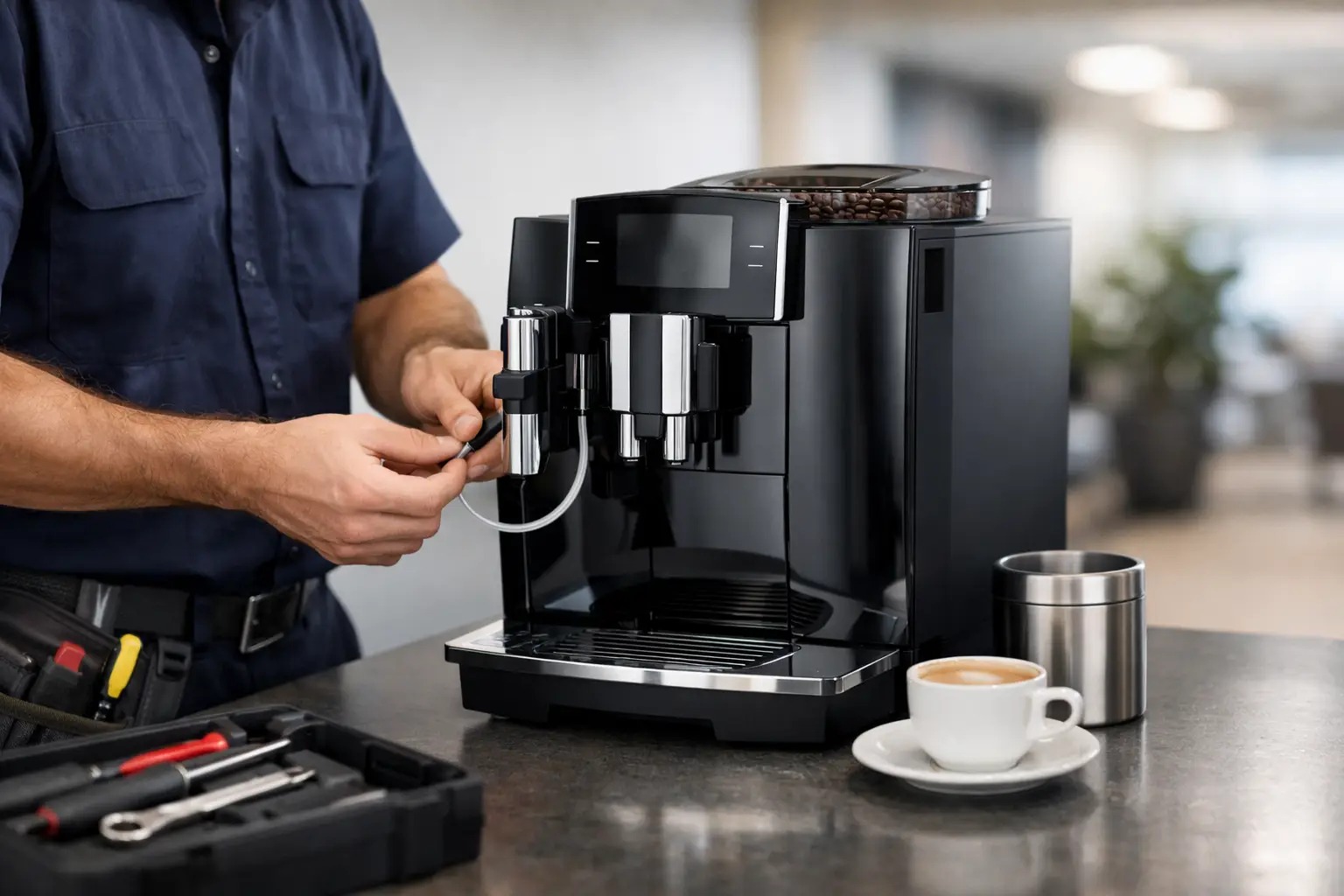
Next comes the part that should never be skipped: testing. The technician checks water flow, heating, grinding, brewing, milk functions, and drink settings. A good installation is not finished when the machine turns on. It is finished when it makes the drinks your employees expect, at the quality your company wants to serve.
For bean-to-cup machines, calibration helps produce a balanced espresso rather than a weak, bitter, or inconsistent shot. Beverage settings can also be tailored to the office. Your team may prefer a stronger coffee, a larger Americano, or a menu that gives visitors easy access to specialty drinks without requiring barista skills.
Staff Training Should Be Simple
Automatic machines are built to reduce the learning curve, but a brief introduction helps people use them with confidence. Employees should know how to select a drink, where to find cups and ingredients, and what to do if the machine needs attention.
Training does not need to become another meeting on everyone’s calendar. A few minutes of hands-on guidance is often enough. The best systems make it easy for someone to walk up, choose a cappuccino or hot chocolate, and get back to work with a drink they enjoy.
Your designated office contact should also know how to request support. Small issues, such as an empty bean hopper or an alert on the display, are easier to resolve when there is a clear service process. More significant concerns should be handled by trained technicians, not by an employee searching for a manual in the middle of the workday.
Installation Is Only the Beginning
The biggest difference between buying a coffee machine and choosing a workplace coffee service appears after installation. Equipment needs cleaning, beverage ingredients need replenishing, and machines occasionally need service. If those tasks fall on an already-busy office manager, a premium coffee benefit can quickly become another operational headache.
Sip and Smile Gourmet Coffee supports businesses with regular maintenance, cleaning, repairs, and restocking, so the machine remains a workplace perk rather than a workplace project. Weekly service also gives your provider the opportunity to spot developing issues, refresh supplies, and keep the beverage station presentable for employees and guests.
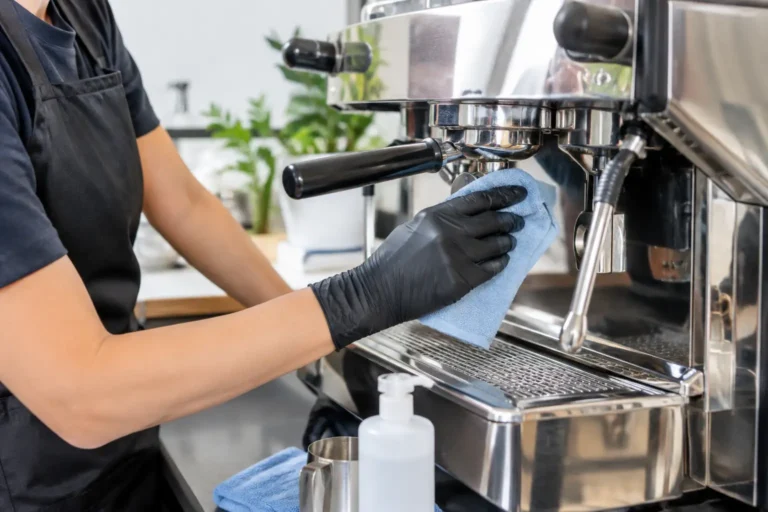
Consistent care matters for flavor as much as reliability. Coffee oils, milk residue, and mineral buildup can affect performance over time. Regular cleaning protects the quality of each drink and helps extend the useful life of commercial equipment.
How to Prepare Your Office for a Smooth Start
Before installation day, choose one person who can answer basic questions about the location and access to the building. Make sure the intended counter or cabinet is cleared, nearby outlets are accessible, and any necessary water connection work has been completed. If the machine will serve a shared office floor, let employees know when the new beverage station will be ready.
It also helps to decide what kind of coffee experience you want to create. A professional services office may focus on espresso drinks for client meetings. A manufacturing office may prioritize quick, dependable coffee during shift changes. A growing company may see the machine as a meaningful employee benefit that supports recruiting and retention. The equipment and menu can be shaped around that goal.
A well-planned coffee station sends a quiet but powerful message: your company cares about the everyday experience of the people who work with you and visit you. When the coffee is excellent and the service is handled, that message is easy to deliver one cup at a time.