What Do Workplace Coffee Service Costs Include?
Coffee service costs depend on equipment, drink choices, usage, and support. See what a full-service workplace program should include in Canton, Ohio today.
A workplace coffee program can look simple from across the breakroom. Put out coffee, cups, and creamers, and employees will take care of the rest. In practice, coffee service costs can become unpredictable when someone on your team is responsible for ordering supplies, cleaning equipment, troubleshooting breakdowns, and explaining why the machine is out of milk again.
For Canton businesses that want café-quality drinks without another task on the office manager’s list, the real question is not just, “What does coffee cost?” It is, “What is included, and who is responsible for keeping it running?” A full-service program should make that answer clear from the start.
What Is Included in Coffee Service Costs?
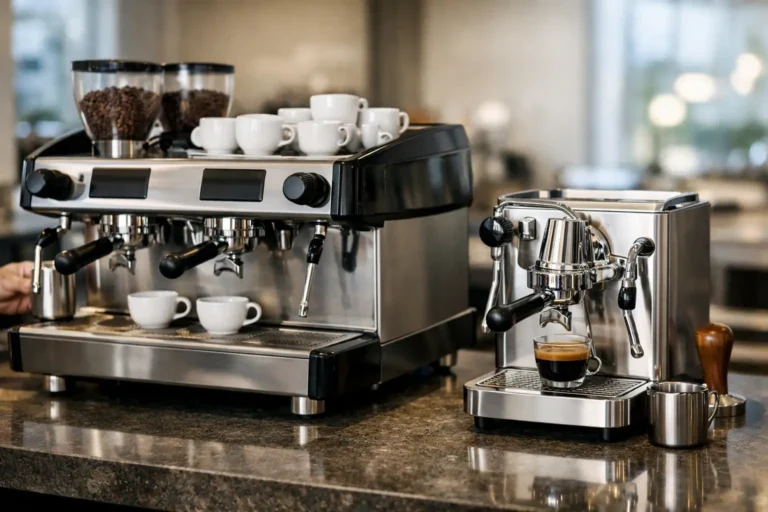
A professional workplace coffee service is usually designed around more than bags of coffee. The monthly or recurring cost may include commercial equipment, gourmet ingredients, restocking, cleaning, preventive maintenance, repairs, and support. The exact arrangement depends on the size of your team, the machine selected, the beverages offered, and how often people use the service.
That difference matters. A low price for a countertop brewer may not account for filters, cleaning products, replacement parts, service calls, staff time, or the cost of replacing a machine when it fails. A full-service option bundles the operational pieces that tend to create surprises.
At Sip and Smile Gourmet Coffee, the goal is to give businesses a polished beverage program without making them become coffee equipment experts. Your staff and clients get the experience of a premium coffee bar, while the day-to-day upkeep stays off your team’s plate.
The Main Factors That Shape Workplace Coffee Costs
Your employee count and daily volume
A 12-person professional office and a 100-person manufacturing or healthcare office do not consume coffee at the same rate. Higher volume generally means more beans, milk products, cups, sweeteners, cleaning cycles, and restocking visits. It may also call for a machine with greater capacity and faster drink production.
Usage is not always tied neatly to headcount. Consider the employees who work on-site each day, shift schedules, client traffic, meeting frequency, and whether your office already has a strong coffee culture. A company with 30 employees that hosts customers every day may use more beverages than a larger team with hybrid schedules.
The kind of drinks you want to offer
Traditional drip coffee is one category. A touch-button barista machine that makes espresso, cappuccinos, café lattes, Americanos, mochaccinos, hot chocolate, French vanilla drinks, and seasonal favorites is another.
More beverage choices typically require a more capable machine and a broader ingredient program. That is not a drawback if the goal is to create a better employee perk or a more welcoming reception area. It simply means your program should be matched to the experience you want to provide. For some workplaces, excellent fresh coffee is the priority. For others, espresso-based drinks are the feature that gets employees talking and gives visitors a reason to remember the office.
Equipment ownership versus included equipment
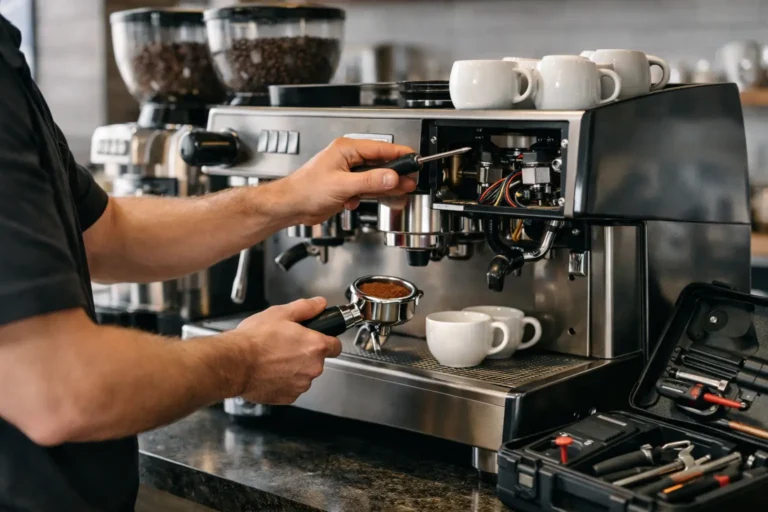
Buying a commercial coffee machine can seem like a direct way to control costs. It also means your company owns the repair risk. Commercial equipment needs routine cleaning, calibration, replacement parts, and knowledgeable service when something stops working. A machine sitting idle for several days can quickly undermine the benefit it was meant to provide.
With an included-equipment model, the coffee provider installs and supports the machine as part of the service. This can make budgeting easier because you are not setting aside money for a large upfront purchase or trying to locate a repair technician on short notice. Ask whether installation, training, preventive maintenance, repairs, and replacement equipment are part of the agreement. Those details have a real effect on total cost.
Ingredients, supplies, and product quality
Coffee is only as good as what goes into the cup. Fresh roasted beans, milk or dairy alternatives, flavoring products, hot chocolate, cups, lids, stirrers, sweeteners, and cleaning supplies all contribute to the recurring cost of a workplace beverage program.
A premium program should let you tailor selections to your workplace rather than forcing every office into the same package. You may want a stronger dark roast, decaf availability, flavored beverages, environmentally friendly supplies, or a seasonal drink option that makes the breakroom feel a little more special. Customization can affect the monthly spend, but it also keeps the program relevant to the people using it.
Service frequency and local support
Weekly service is more than a delivery. A dependable provider checks supplies, cleans the system, restocks what is running low, and catches minor issues before they become interruptions. For busy offices, this is often the part of the service that delivers the most value.
Local support also changes the experience when help is needed. A provider that understands your operation and can respond personally is a better fit than a distant vendor that leaves your team waiting in a service queue. For Canton-area businesses, reliability should be part of the cost conversation, not an afterthought.
Look Beyond the Price Per Bag of Coffee
The easiest number to compare is the price of coffee beans or individual drink ingredients. It is also the least complete number. When evaluating coffee service costs, include the hidden labor and downtime that come with managing the program internally.
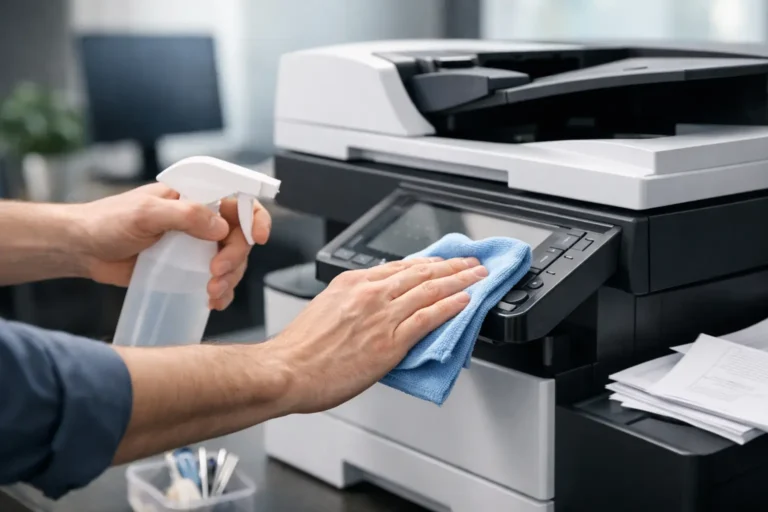
Think about who places emergency supply orders, who wipes down the machine, who calls for repairs, and who handles complaints when the coffee is weak or the equipment is unavailable. Even a few minutes here and there adds up over a month. More importantly, those tasks usually fall to an administrator, office manager, or operations leader whose time is better spent on work that directly supports the business.
A good coffee program makes the expense predictable. Rather than reacting to surprise repairs and last-minute runs for creamers, you know what support and supplies are covered and when service will occur. That gives decision-makers a clearer view of the investment.
How to Build a Coffee Program That Fits Your Budget
Start with the outcome, not the machine. If you want a reliable employee amenity for a small office, a straightforward fresh-coffee setup may be exactly right. If you are trying to improve recruiting, reward a hardworking team, or make a stronger first impression on clients, café-style drinks may deliver more value.
Then estimate normal usage honestly. Count regular on-site employees, not just total payroll. Consider visitors, meetings, and the times when demand spikes. A provider can use that information to recommend equipment and supply levels that avoid both overbuying and running short.
Finally, ask for clarity around what happens after installation. The strongest service plans spell out who provides the machine, how often it is cleaned and restocked, what ingredients are included, how repairs are handled, and what support looks like if something goes wrong. You should not need to interpret fine print to find out whether a broken machine is your responsibility.
Is a Premium Coffee Service Worth It?
For many businesses, the value is not limited to the cost of a cup. A great coffee station gives employees a reason to take a useful break, connect with coworkers, and feel appreciated. It gives a client waiting in reception something far better than a stale pot of coffee. It can also reduce the number of off-site coffee runs that pull people away from work during the day.
Still, premium is only worthwhile when the program is used and supported. An expensive machine without proper cleaning or fresh ingredients will not create a premium experience. The right provider combines quality equipment and ingredients with the regular attention that keeps every drink consistent.
The best next step is to identify what would make your workplace feel more welcoming this month. Whether that means better brewed coffee or a full menu of touch-button espresso drinks, choose a service that makes it easy to deliver that experience every day.