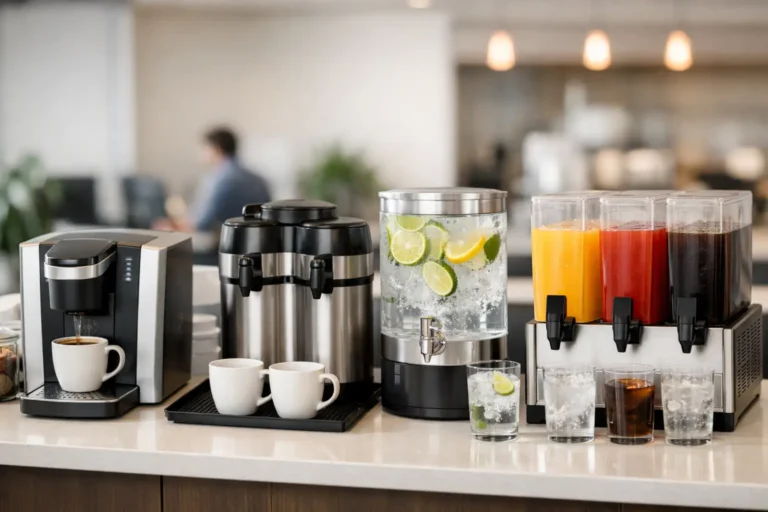
Office Coffee Service Employee Retention Example
An office coffee service employee retention example shows how reliable café-style drinks support culture, connection, and a better workday for busy teams.
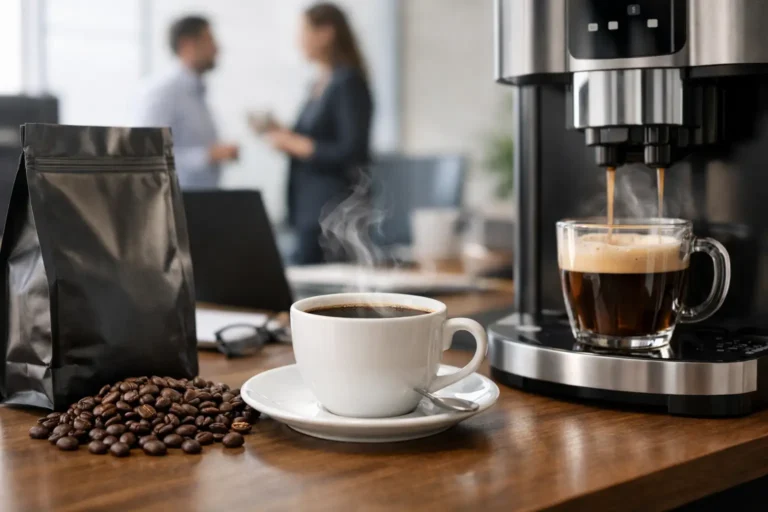
At 2:30 p.m., the difference between a stale pot of coffee and a café-style latte is not just the drink. It is whether employees feel they have to leave the building for a small reset, or whether their workplace has already made room for one. This office coffee service employee retention example shows why a thoughtful breakroom amenity can support the everyday experience people remember when deciding where they want to work.
A premium coffee program will not solve compensation concerns, poor management, or a lack of career growth. Those are bigger retention issues. But for Canton-area employers competing for skilled people, the details of a workday still matter. A dependable coffee service is a visible, useful way to show that employee comfort is part of the company’s standard, not an afterthought.
An Office Coffee Service Employee Retention Example in Practice
Consider a 45-person professional services office. The company has grown steadily, but its leaders notice a pattern: employees regularly make midmorning coffee runs, often returning 20 to 30 minutes later. New hires also describe the breakroom as basic and forgettable. The office does not need a flashy perk for appearances. It needs a better daily experience without adding another task to the office manager’s schedule.
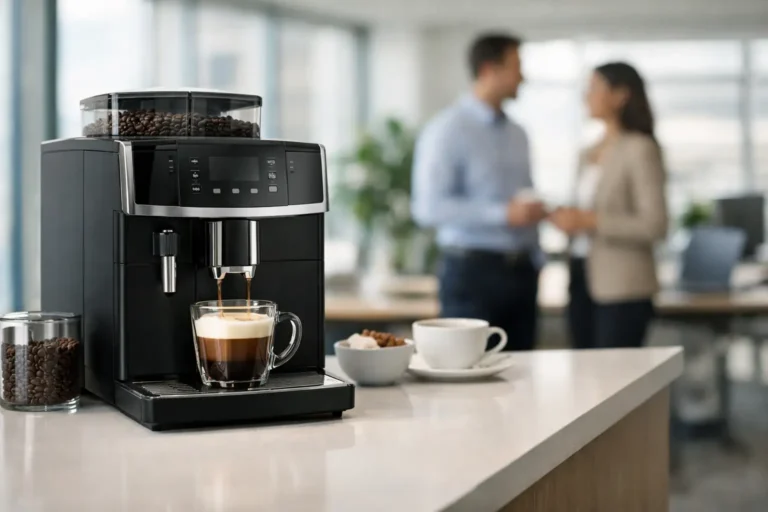
The company installs a commercial barista machine that prepares espresso, cappuccinos, café lattes, Americanos, mochaccinos, hot chocolate, and French vanilla drinks at the touch of a button. Fresh roasted beans and beverage supplies are stocked routinely. Rather than assigning someone to clean equipment, track inventory, or call for repairs, the service provider handles maintenance, restocking, and support.
Within a few weeks, the coffee area becomes a natural meeting point. A project manager chats with someone from accounting while a drink is being made. Employees who used to leave the office for coffee take shorter breaks and return less rushed. Visitors are offered a beverage that feels more welcoming than a foam cup from a warming plate.
No responsible employer would claim that this one change caused every employee to stay. Yet when leaders ask for feedback, the coffee program repeatedly comes up as a favorite improvement. It makes the office feel more considered. That feeling has value because retention is built through the full employee experience, not one annual review or one major announcement.
Why Coffee Can Affect the Employee Experience
The strongest workplace perks are easy to use and relevant to most people. Coffee fits that description because it is part of the rhythm of the day. Employees see it when they arrive, use it between meetings, and share it with coworkers and clients.
A quality coffee service also makes a practical difference. When people can get a drink they genuinely enjoy without driving across town, standing in line, and paying out of pocket, the employer removes a small source of daily friction. That convenience is especially meaningful on busy days when a 15-minute break is all someone has.
There is also a hospitality signal. A company that provides good coffee is saying, in a modest but tangible way, “We want you to be comfortable here.” Employees notice the consistency of that message. So do candidates touring the office and clients waiting for a meeting to begin.
The key is quality. A basic coffee setup may technically check the box, but it rarely creates the same response as fresh ingredients and café-style drink choices. Employees have plenty of options outside the office. If the workplace program feels like an obligation rather than a benefit, it will have limited cultural impact.
The Retention Benefit Is Cumulative
Employee retention is often discussed as a numbers problem, but the decision to remain with an employer is personal. People weigh pay, leadership, workload, flexibility, growth, relationships, and whether the organization treats them with respect. A workplace coffee program belongs in that last category.
It works best as part of a broader effort to make the workplace pleasant and functional. A good beverage station gives people a reason to pause, connect, and recharge without creating a formal event. Those informal moments can strengthen relationships across departments, particularly in offices where employees spend long hours focused on separate responsibilities.
For employers with hybrid schedules, the effect can be slightly different. Coffee will not persuade someone to commute solely for a latte. However, it can make in-office days feel more worthwhile and more welcoming. When employees come together, the office should offer something better than what they can get at a kitchen counter at home.
This is where the right expectations matter. Think of office coffee as a retention support, not a retention strategy by itself. It reinforces a healthy culture when the company also communicates well, recognizes good work, and gives people reasons to grow.
What Makes a Coffee Program Worth Using
A premium program should be simple for the employer and satisfying for the people using it. That means more than placing a machine in a corner.
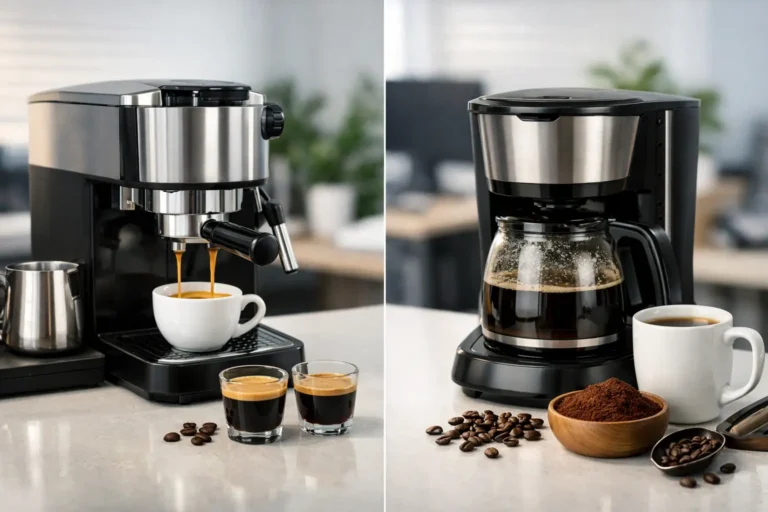
First, drink variety matters. Not everyone wants traditional drip coffee. Espresso-based options, lattes, cappuccinos, hot chocolate, and seasonal selections give more employees a reason to use the service. Variety also helps a company accommodate different tastes without maintaining several separate appliances.
Second, reliability matters more than most buyers expect. A machine that is empty, dirty, or out of service quickly becomes a frustration. The office manager should not have to diagnose equipment issues or make emergency supply runs. Regular cleaning, maintenance, repair support, and restocking keep the benefit feeling dependable.
Third, the setup should fit the office. A small administrative team may need a straightforward program with a manageable menu. A larger office with frequent visitors may benefit from a higher-capacity machine and a more polished beverage area. The best solution depends on headcount, traffic patterns, available space, and how often clients are on site.
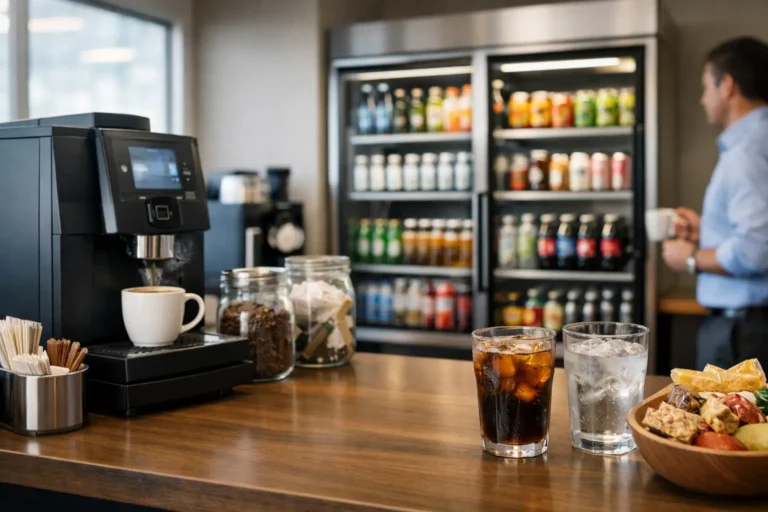
Finally, presentation counts. A clean, well-stocked coffee area feels intentional. It supports the same professional impression as a tidy reception area or a well-prepared conference room.
Avoid Turning a Perk Into Another Office Chore
Many companies begin with good intentions and end up with a neglected breakroom. Someone has to buy supplies, empty grounds, wipe down surfaces, monitor water levels, and decide what to do when the machine stops working. Those tasks may sound small, but they accumulate quickly.
That is why a full-service model is often the better fit for growing offices. With Sip and Smile Gourmet Coffee, businesses can provide Italian-made barista machines, fresh roasted beans, and gourmet beverage ingredients while leaving weekly service, cleaning, repairs, and replenishment to a local team. The company gets the employee benefit without taking on the operational burden behind it.
This arrangement can also make costs easier to manage. Purchasing commercial equipment outright may require a larger upfront investment, and ownership puts future repair responsibility on the business. Outsourced service shifts the focus from equipment management to a consistent workplace amenity. For some organizations, ownership may make sense if they have in-house facilities support and specific equipment preferences. For many small and mid-sized offices, hands-off service is the more practical choice.
How to Measure Whether It Is Helping
Retention results usually take time, so do not judge a coffee program only by turnover statistics in the first month. Start with signals that are closer to the experience itself. Ask employees whether they use the station, what drinks they would like to see, and whether the office feels more accommodating than it did before.
Office managers can also observe whether employees are leaving the building less often for beverage runs, whether the coffee area is used for informal conversations, and whether guests respond positively to the offering. These are not perfect measurements, but they help show whether the program is becoming part of the workplace culture.
If employee surveys already include questions about workplace satisfaction, add a simple question about amenities or the breakroom experience. Keep the question practical. The goal is not to prove that coffee alone creates loyalty. It is to learn whether the company is improving the small, repeatable parts of the workday that shape how employees feel.
A better office experience rarely comes from one grand gesture. It comes from dependable choices employees can see, use, and appreciate every day. When a quality coffee service is easy to enjoy and easy to manage, it gives your team one more reason to feel good about walking through the door.