Bean to Cup Versus Pods for Office Coffee
Bean to cup versus pods for offices: compare drink quality, waste, cost, variety, and service needs to choose a coffee program your team will value daily.
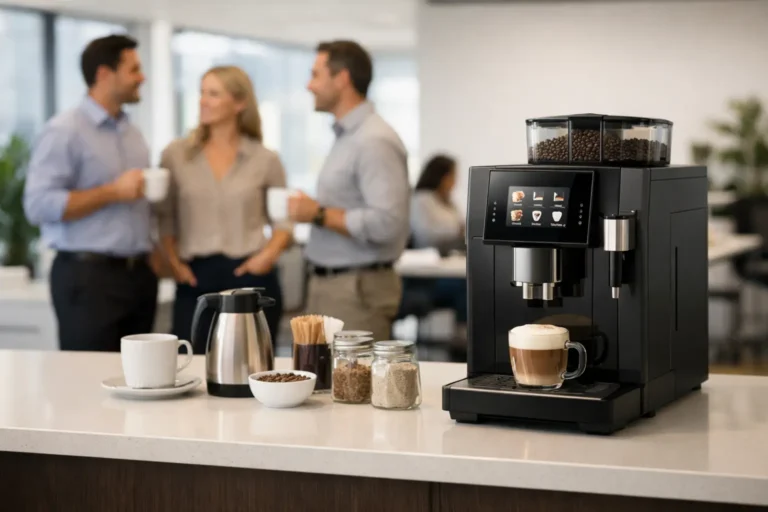
The coffee choice in your breakroom says more than most employers realize. A pod machine may cover the basics, but a fresh cappuccino, latte, or Americano can make employees feel genuinely looked after and give visiting clients a warmer welcome. When comparing bean to cup versus pods, the right answer depends on the experience you want to create, how much daily use the machine will get, and who will handle the details behind the counter.
For many Canton-area workplaces with 10 or more employees, the decision is less about choosing a coffee maker and more about choosing a workplace beverage program. The best option should be easy for staff to use, reliable for the person managing the office, and polished enough to reflect well on the business.
Bean to Cup Versus Pods: The Core Difference
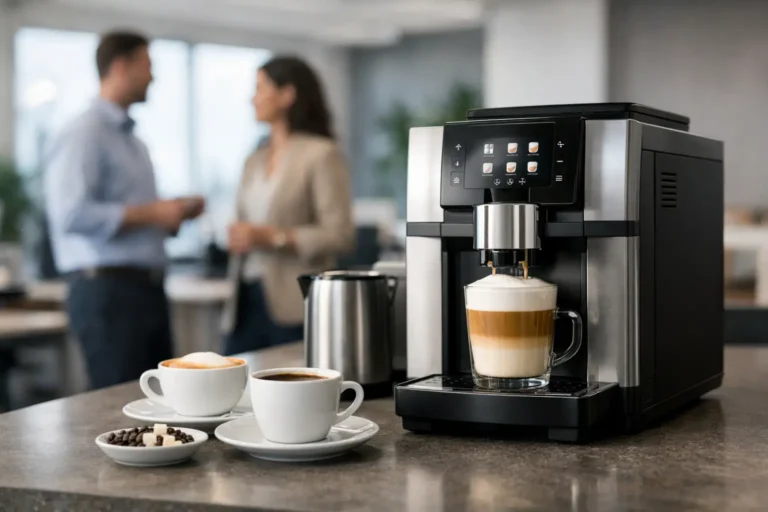
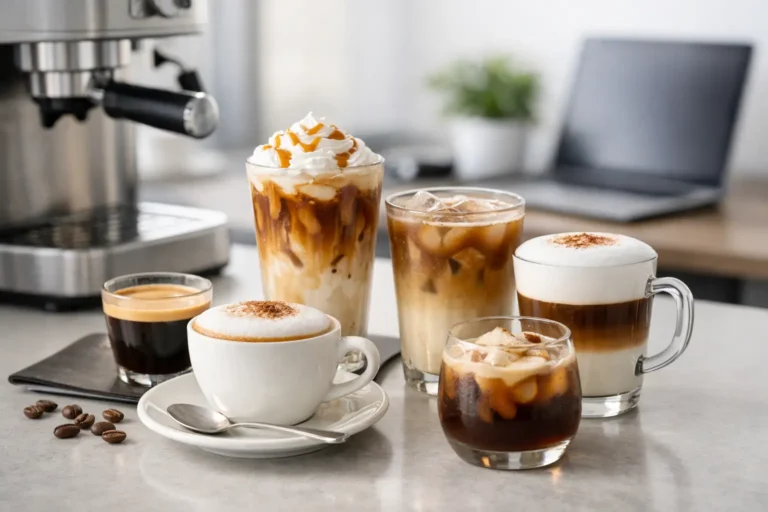
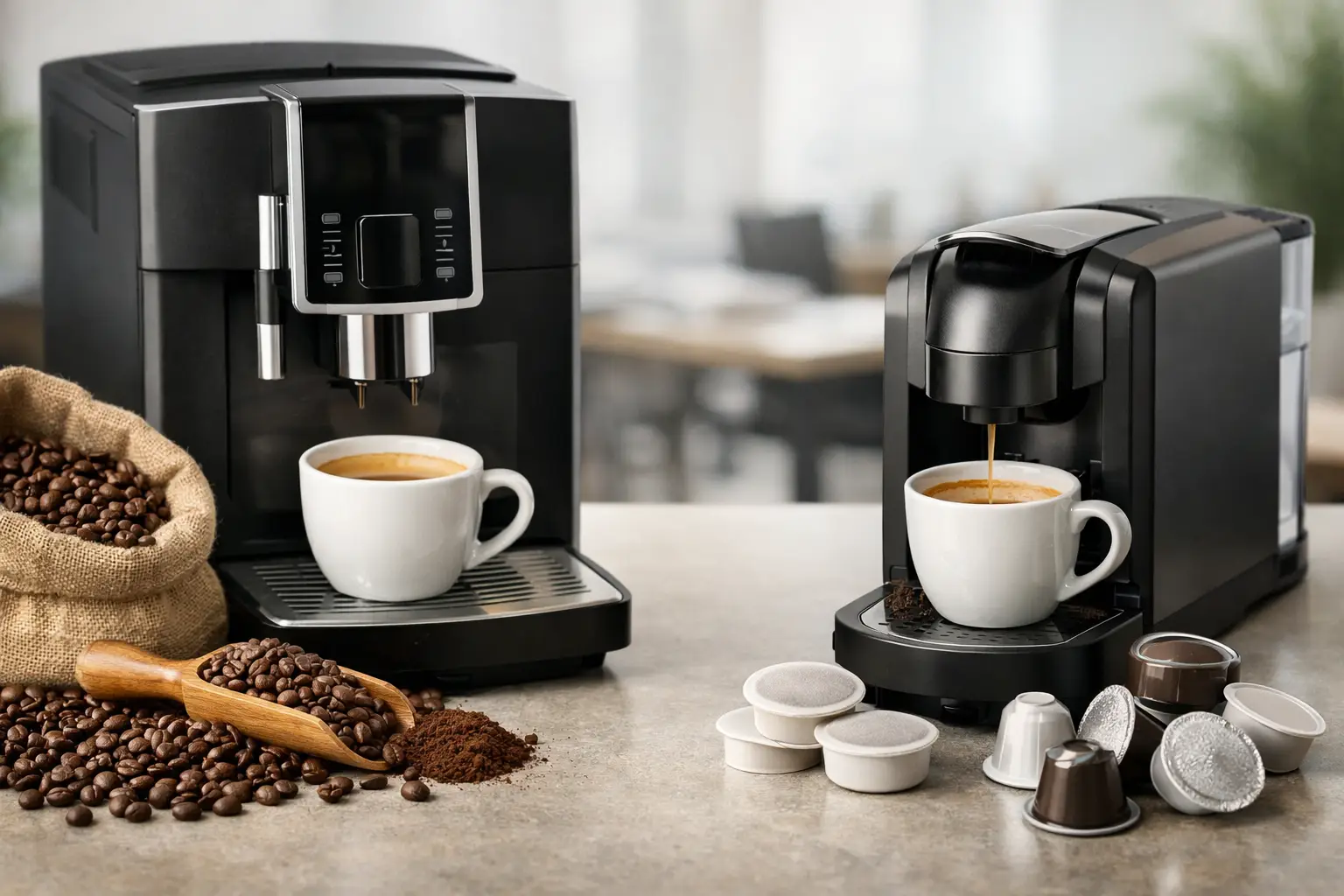
A bean-to-cup machine grinds whole coffee beans for each drink, then brews and dispenses the beverage at the touch of a button. Commercial models can produce espresso, coffee, cappuccinos, lattes, Americanos, mochas, hot chocolate, and flavored drinks with a café-style finish.
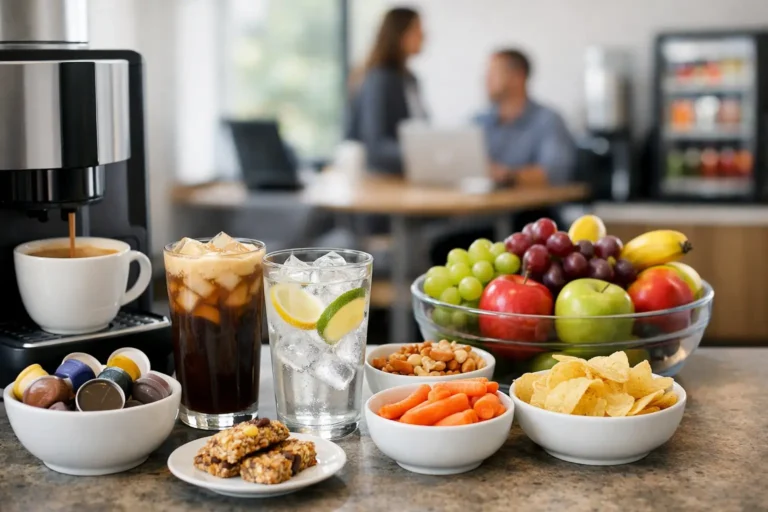
A pod machine uses single-serve capsules containing pre-ground coffee. The user inserts a pod, chooses a size or brew setting, and disposes of the capsule after the drink is made. It is familiar, quick, and often works well in low-volume settings.
The main distinction is freshness and capability. Pods offer convenience at the point of use. Bean-to-cup systems offer convenience plus a broader premium-drink experience, particularly when they are professionally supplied, cleaned, and maintained.
Freshness and Drink Quality Matter at Work
Pods are consistent, but they have a built-in limit: the coffee was ground and sealed well before it reached the office. That may be perfectly acceptable for a quick morning cup. It is less compelling for employees who expect espresso-based drinks or for businesses that want to offer guests something better than standard breakroom coffee.
Bean-to-cup equipment grinds fresh roasted beans immediately before brewing. That fresh grind brings out more aroma and flavor, especially in espresso drinks. The difference is noticeable in a café latte or cappuccino, where the coffee needs enough character to stand up to milk and flavoring.
This is not to say every office needs a barista-level setup. A small team that mainly drinks one basic cup per day may be happy with pods. But when employees regularly ask for lattes, mochas, hot chocolate, or French vanilla beverages, a commercial bean-to-cup machine gives them more reasons to use and appreciate the breakroom.
Variety Without a Crowded Supply Cabinet
Pod systems can provide variety by stocking different boxes of capsules. The trade-off is inventory. Someone has to decide which roasts, flavors, decaf options, and specialty pods to buy, then make room for all of them. Popular choices run out first, while less popular boxes can linger in the cabinet.
A bean-to-cup program is typically more streamlined. One machine can offer multiple drinks from fresh beans, milk ingredients, chocolate, and flavor options. Employees can choose their preferred beverage from a clear menu rather than sorting through an assortment of boxes.
For an office manager, that matters. Variety should feel like a benefit for the team, not another supply-management project. A well-designed commercial program lets the business customize drink options while keeping the counter organized and professional.
Think Beyond Coffee Drinkers
A stronger workplace beverage program also serves people who do not want black coffee. Hot chocolate can be a welcome afternoon option. Decaf provides a choice for later meetings. Café-style milk drinks make the breakroom more inclusive for employees who prefer a milder coffee experience.
That range is particularly useful in client-facing businesses. Offering a visitor an espresso, cappuccino, latte, or hot chocolate feels more thoughtful than pointing them toward a basic coffee pot. Small hospitality details can help people feel comfortable while they wait, meet, or work with your team.
Cost: Look at the Full Office Picture
A pod machine can have a lower upfront price, which makes it attractive at first glance. Yet the ongoing cost per cup is often higher than brewing from whole beans, especially in a busy office. Individual capsules, shipping, frequent reorders, and an expanding selection of flavors can add up quickly.
Bean-to-cup equipment can require a greater investment if a company buys and operates the machine on its own. There are also ingredient costs, cleaning requirements, repairs, water considerations, and the need to keep supplies available. Those responsibilities should be part of the comparison, not an afterthought.
That is why a full-service workplace coffee provider can be a practical fit. Instead of purchasing equipment and assigning someone to manage it, businesses can receive the machine, fresh roasted beans, ingredients, scheduled restocking, cleaning, and repair support as part of one managed solution. The cost becomes easier to plan for, and the office avoids the disruption of a broken machine or an empty ingredient hopper.
Waste Is More Than a Recycling Question
Single-serve pods create a steady stream of used capsules. Some are recyclable under specific conditions, but recycling often requires employees to separate components, clean capsules, or use a specialized collection process. In a busy office, that process may not happen consistently.
Bean-to-cup machines produce spent coffee grounds instead of individual capsules. Grounds are still waste, but they are simpler to manage and may be compostable depending on your facility’s local options. The broader environmental impact also depends on the machine, the coffee source, packaging, and how the program is serviced.
Businesses that want to reduce unnecessary breakroom waste usually find bean-to-cup programs easier to align with that goal. The benefit is not only environmental. A cleaner, less cluttered beverage station is easier for employees and visitors to enjoy.
The Maintenance Question Often Decides It
This is where the bean to cup versus pods conversation becomes very practical. Pod machines are generally simpler to operate, but they still need descaling, cleaning, water refills, troubleshooting, and replacement when they fail. In many offices, those tasks quietly become the responsibility of an administrator or office manager.
Bean-to-cup machines need more regular care because they handle whole beans, brewing components, milk systems, and specialty ingredients. Without proper cleaning and maintenance, drink quality suffers and equipment problems become more likely.
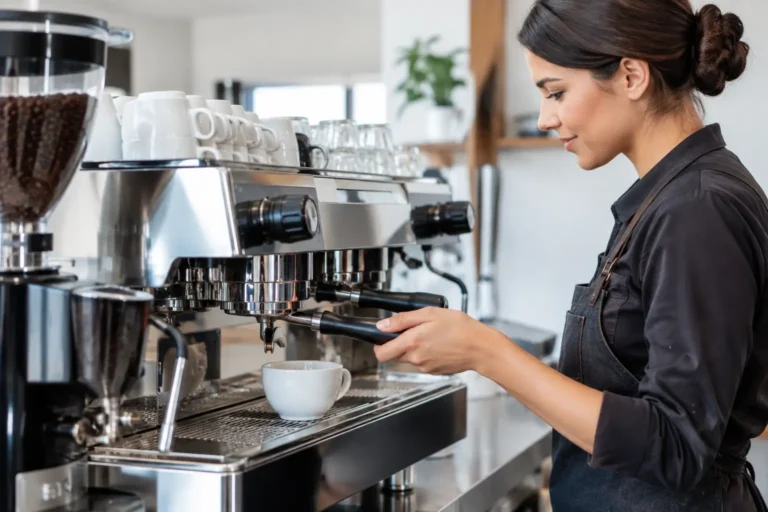
The right service model changes that equation. With Sip and Smile Gourmet Coffee, businesses can offer Italian-made barista machines without asking internal staff to become coffee technicians. Weekly maintenance, cleaning, repairs, and restocking are handled for you, so the machine remains ready when employees and clients want a drink.
Which Option Fits Your Workplace?
Pods may be the better choice for a very small office, a temporary location, or a team that only wants occasional basic coffee. They are familiar and uncomplicated when volume and expectations are low.
Bean-to-cup is often the stronger choice for growing offices, professional service firms, medical and dental practices, dealerships, manufacturing offices, and organizations that want a meaningful employee perk. It brings better beverage quality, more menu options, and a more memorable client experience. It also makes sense when a company wants the benefit of a premium coffee bar without taking on the operational work.
Before deciding, consider how many people use the machine each day, what drinks they actually request, whether clients visit your location, and how much time your team can realistically devote to supplies and maintenance. A coffee program should reduce friction, not create another task list.
A well-chosen machine does more than make coffee. It gives people a reason to pause, connect, and feel appreciated – while giving your workplace a hospitality touch that is easy to maintain.