Office Coffee Program Success Example That Works
See an office coffee program success example that improves morale, saves time, and gives Canton businesses a premium, low-hassle perk.
A breakroom change rarely gets much attention until people start talking about it. Then the comments come fast: clients ask where the cappuccino came from, employees stop leaving for coffee runs, and the office starts feeling a little more polished without adding more work to anyone’s day. That is what makes an office coffee program success example worth looking at closely. When it is done right, it is not just about coffee. It is about convenience, hospitality, and giving your team something they actually use.
An office coffee program success example, start to finish
Picture a growing Canton-area company with 35 employees. The office manager is already juggling vendors, supplies, scheduling, and day-to-day requests. The breakroom has a basic drip machine, inconsistent coffee stock, and the usual complaints. Some employees bring their own pods. Others leave the office for lattes in the middle of the morning. When clients visit, the beverage option feels more like an afterthought than part of the experience.
The company wants something better, but there is a catch. Nobody wants to buy expensive equipment, train staff to maintain it, or spend time managing beans, powders, cleaning schedules, and repair calls. They need a better result without another thing to babysit.
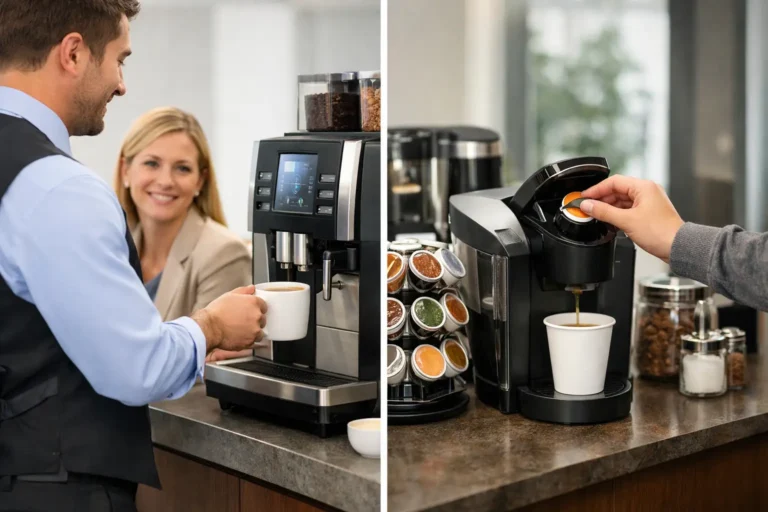
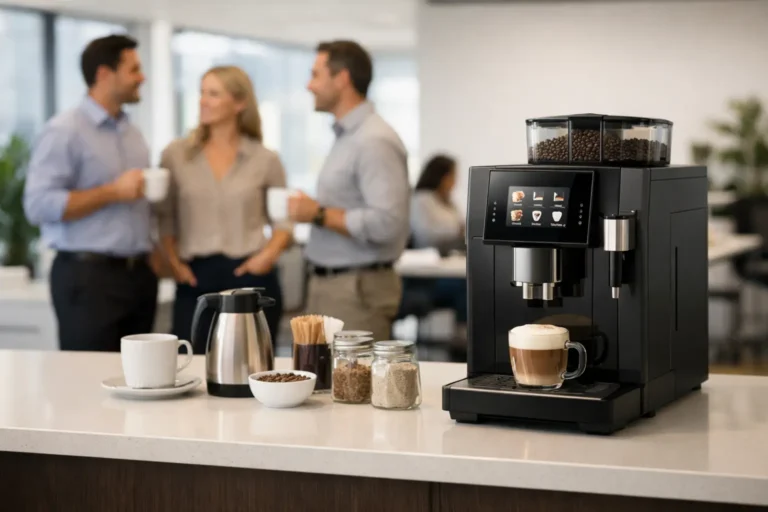
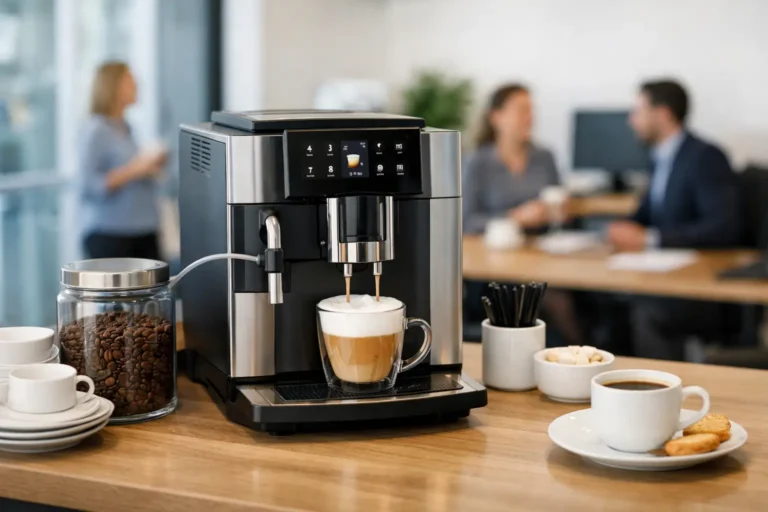
That is where a full-service office coffee solution changes the outcome. Instead of piecing together equipment, supplies, and support from different places, the business gets one program built around what employees and guests will actually drink. A commercial bean-to-cup machine is installed, beverage choices are customized, and ongoing service is handled on a regular schedule.
Within the first few weeks, usage climbs quickly. Employees who used to leave the office for coffee start staying in. Visitors notice the quality right away. The office manager is no longer running out to buy emergency supplies or guessing when the machine needs attention. The company gets the benefits of a premium coffee bar without taking on the burden of operating one.
Why this office coffee program success example works
The biggest reason this kind of program succeeds is simple: it matches what businesses actually need. Most offices do not fail at coffee because they do not care. They fail because the setup creates too much friction.
If the machine is complicated, people stop using it. If the drink quality is mediocre, employees go elsewhere. If supplies run out, confidence in the program drops fast. And if the office has to manage cleaning, repairs, and restocking internally, the “perk” turns into another administrative task.
A successful setup removes those friction points. The equipment needs to be easy to use. The drinks need to feel like a real upgrade. The support has to be reliable enough that the office team can stay focused on their actual jobs.
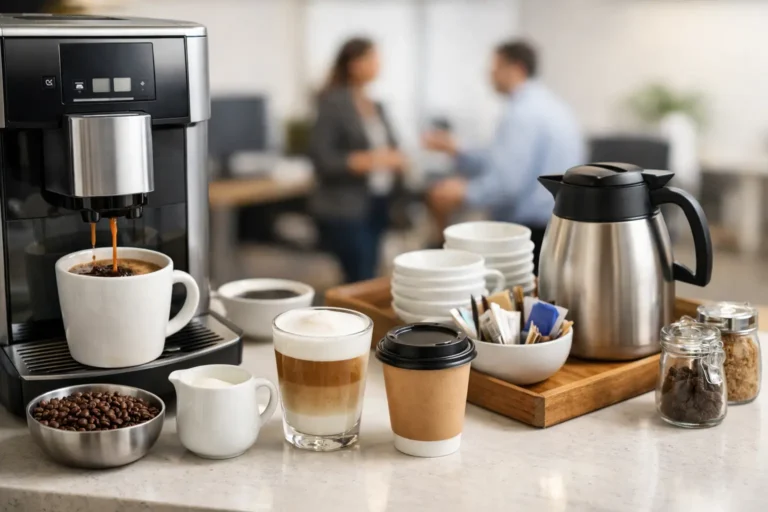
That is why café-style variety matters more than some employers expect. A drip coffee pot may satisfy a few people, but a broader menu reaches far more of the office. Espresso drinks, cappuccinos, café lattes, café Americanos, mochaccinos, hot chocolate, French vanilla, and seasonal beverages give people options throughout the day. That variety increases usage and helps the program feel worthwhile.
There is also a morale factor that is easy to underestimate. Employees notice when an employer invests in details that improve the day-to-day experience. Good coffee is not a substitute for strong leadership or fair compensation, but it does contribute to a workplace that feels cared for. Small upgrades often shape culture more than expected because people interact with them every day.
What changed for the business
In this office coffee program success example, the most obvious change was convenience. People no longer needed to leave the office for quality coffee, which helped reduce time lost to mid-morning trips. That does not mean every coffee run disappeared, and that is fine. The point is that the office became a place where people could get a drink they enjoyed without interrupting the workday.
The second change was perception. Clients and visitors noticed the difference right away. Offering a well-made cappuccino or latte at the touch of a button sends a different message than pointing someone toward an old coffee pot in the corner. It tells guests the business pays attention to quality and cares about the experience it provides.
The third change was operational. This is the part decision-makers often care about most. The office manager did not inherit a new task list. The machine was installed, stocked, cleaned, and maintained through an ongoing service model. That matters because many coffee programs look good at the beginning and slowly fall apart when nobody has time to manage them.
The real success factors behind a premium office coffee program
A good machine helps, but success comes from the full setup around it. The first factor is right-sizing. An office with 12 employees has different needs than one with 80. The best program is not the one with the most features. It is the one that fits traffic, drink preferences, and available space.
The second factor is drink quality. People can tell the difference between a basic convenience offering and something that tastes like it belongs in a café. Fresh roasted beans, quality ingredients, and commercial equipment all matter here. If the drinks are only slightly better than what employees already have, the program will not create much excitement.
The third factor is consistency. One great week does not make a successful program. Reliable restocking, regular cleaning, and fast service support are what keep the experience strong over time. That consistency protects the employer’s investment because the program keeps delivering instead of becoming another neglected breakroom feature.
The fourth factor is simplicity for the customer. This point is often the deal breaker. Business owners and office managers are not looking for a hobby. They want a partner who can make the program run smoothly without requiring constant oversight. A hands-off model is not just convenient. In many cases, it is the reason the coffee program stays successful past month one.
When an office coffee program does not work
It helps to be honest about the trade-offs. Not every office needs the same level of beverage service, and not every setup is worth the investment. If a workplace has very low on-site headcount or employees are rarely in the office, a premium program may see limited daily use. In that case, the right answer depends on attendance patterns and whether the office regularly hosts clients.
There is also a difference between wanting “better coffee” and wanting a program that enhances workplace culture and hospitality. If the goal is simply to provide the cheapest caffeine possible, a full-service gourmet setup may not be the match. But if the goal is to impress visitors, improve employee experience, and remove operational hassle, the value picture changes.
Another common mistake is underestimating service. A business might choose a machine based on price alone and assume the rest will sort itself out. That can lead to frustrating downtime, inconsistent drink quality, and internal scrambling when supplies run low. Premium equipment only works as a workplace perk when there is dependable support behind it.
What decision-makers should look for
If you are evaluating your own breakroom, start with the practical questions. How many people will use the machine on a typical day? What beverages do employees actually want? How often do clients or visitors come through the office? And who will manage the program once it is installed?
Those questions usually point to the best solution quickly. Offices that want to make a strong impression and avoid operational headaches are often better served by a provider that handles installation, ingredients, maintenance, cleaning, and repairs as part of one service. That structure keeps the experience polished without creating extra work internally.
For many Canton businesses, the strongest office coffee program success example is not flashy. It is simply a program that works every day. Employees enjoy it. Clients notice it. The office team does not have to chase supplies or troubleshoot equipment. The company gets a premium amenity that feels easy instead of demanding.
That is the standard worth aiming for. If your current coffee setup is creating more complaints than compliments, a better program can do more than upgrade the breakroom. It can make the whole office feel more welcoming, more organized, and more thoughtful – one cup at a time.