Office Beverage Service Onboarding Guide for Teams
Use this office beverage service onboarding guide to launch a premium workplace coffee program with simple setup, support, and better daily hospitality.
A great office beverage program should not create another job for the office manager. It should give employees a reliable coffee break, make clients feel welcome, and keep the breakroom looking polished without requiring someone to track beans, troubleshoot equipment, or run last-minute supply errands. This office beverage service onboarding guide explains what a smooth start should look like when you bring café-quality drinks into your Canton workplace.
The best onboarding process is simple because the right service partner does the operational work. Your role is to decide what experience you want for your staff and guests. Their role is to install the equipment, stock the ingredients, keep it clean, and make sure the machine is ready when the first person reaches for a cappuccino on Monday morning.
Start With the Workplace Experience You Want
Before selecting a machine or beverage menu, think about who will use the service and when. An office with 12 employees may need something different from a busy medical practice, auto dealership, manufacturing office, or client-facing professional firm. The right setup depends on daily traffic, available counter space, water and power access, and how much variety your team will enjoy.
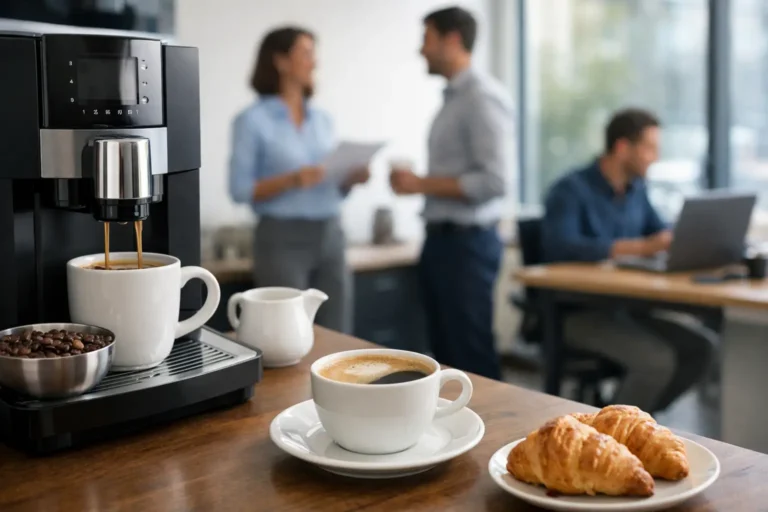
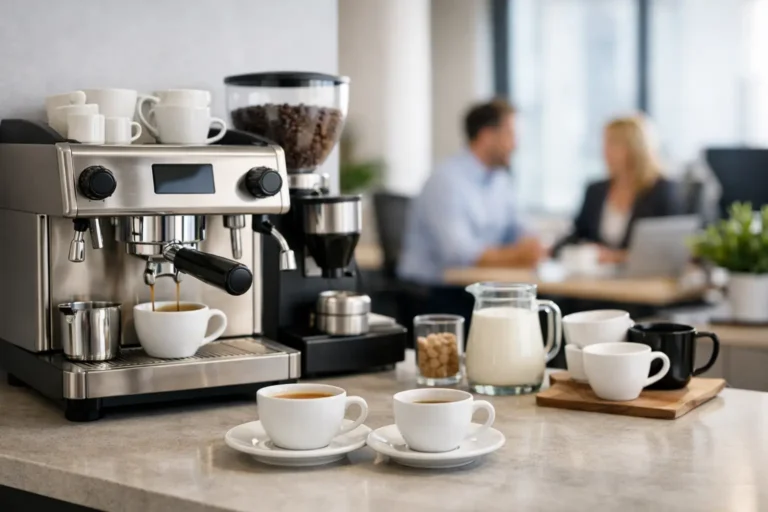
A basic coffee pot can cover caffeine, but it does not always create the experience employers want from a workplace amenity. Bean-to-cup barista machines can prepare espresso-based drinks, café lattes, cappuccinos, café Americanos, mochaccinos, hot chocolate, French vanilla beverages, and seasonal favorites at the touch of a button. That gives employees choices without turning the breakroom into a café that someone has to run.
Consider how visitors will see the beverage station, too. In a reception area, conference room, or sales office, a quality drink says your company pays attention to hospitality. For employees, it can become a practical daily perk that supports morale and helps make the office a more inviting place to work.
The Office Beverage Service Onboarding Guide: What Happens First
Onboarding should begin with a conversation about your workplace, not a one-size-fits-all equipment drop-off. A dependable provider will ask about employee count, beverage preferences, peak usage times, location constraints, and whether guests will regularly use the machine. Those details shape the recommended machine, ingredient selection, and service schedule.
Once the plan is set, the provider coordinates installation. This is where a full-service model makes a real difference. Instead of purchasing a commercial machine, arranging delivery, reading a manual, and hoping someone can repair it later, you receive professionally installed equipment along with the supplies required to use it.
At Sip and Smile Gourmet Coffee, the goal is to make getting started easy. The equipment is placed where it works best for your team, beverage supplies are brought in, and users receive straightforward instructions. Employees do not need barista training to enjoy a café latte. They simply choose a drink and get back to their day.
Prepare the Space Before Installation Day
Most offices only need a few practical details confirmed in advance. Identify the location for the machine, make sure there is appropriate power nearby, and clear enough counter space for the unit and cups. If your building has specific access procedures, such as loading dock rules, security sign-in, or designated delivery times, share those early.
It also helps to choose one internal contact for questions. This person does not have to manage the beverage service. They simply give the provider a reliable point of contact if access changes, a team event increases demand, or a preferred product needs to be adjusted.
Build a Beverage Menu People Will Actually Use
Variety matters, but more choices are not always better. A strong starting menu gives most people a reason to use the service without crowding the station with products that sit untouched. Fresh roasted coffee beans, quality milk options, hot chocolate, and flavored beverages cover a wide range of preferences in many offices.
Ask your team what they drink, but keep the decision practical. If your staff includes dedicated espresso drinkers, a barista machine is likely worth prioritizing. If the office has many non-coffee drinkers or afternoon beverage fans, hot chocolate and French vanilla options add value. Seasonal offerings can be a welcome change during colder Northeast Ohio months, especially for employee appreciation events or client meetings.
There is a trade-off between customization and simplicity. Too many specialty ingredients can complicate restocking and create waste. A service provider can help you start with a balanced selection, then adjust based on actual use. That approach lets your office offer premium choices without paying for products that do not match employee habits.
Set Expectations With Your Team
A new beverage station gets more use when employees know it is there and understand how it works. A brief announcement is enough. Let the team know when the machine will be available, what drinks it makes, and who to contact if they have a question. If the unit has a quick-start guide, place it nearby during the first few weeks.
This is also a good time to establish basic breakroom habits. Employees should use the designated cups, avoid placing personal items on the machine, and report any issue rather than trying to fix it themselves. Commercial equipment is designed for regular use, but it benefits from proper handling and prompt service when something is not right.
You do not need a long policy. The message can be as simple as: enjoy the drinks, keep the station tidy, and let the office contact know if supplies are running low or the machine needs attention.
Make Ongoing Service Part of the Plan
The difference between a premium office beverage program and an expensive machine is ongoing support. A commercial machine needs regular cleaning, fresh supplies, and trained repair service. When those responsibilities fall to an already busy administrator, the program can lose its appeal quickly.
With full-service workplace coffee, the provider handles scheduled maintenance, cleaning, restocking, and repairs. Weekly visits keep fresh roasted beans and beverage ingredients available while giving the provider a chance to inspect the machine before a minor issue becomes a disruption. This is especially valuable for offices that cannot afford to have their client-facing coffee service out of order.
Ask how service requests are handled outside of routine visits. A locally owned provider can often offer the personal accountability businesses want: a real contact, familiarity with your setup, and a fast response when something needs attention. That matters more than it may seem when your conference room is full or your team relies on the station every day.
Review Usage After the First Month
Your first beverage plan should be treated as a smart starting point, not a permanent decision. After a few weeks, review what your team is using. Are latte drinks popular? Does hot chocolate disappear quickly? Are certain ingredients being left behind? Is the station busy at 8 a.m., after lunch, or before client appointments?
This feedback helps fine-tune the service. You may decide to add a seasonal selection, change a coffee profile, increase supplies for a popular drink, or simplify options that are not getting used. Regular adjustments keep the program useful and help control unnecessary waste.
Avoid Common Onboarding Mistakes
The most common mistake is treating the beverage station as a purchase instead of a managed service. Buying equipment may seem less expensive at first, but ownership brings maintenance, repairs, cleaning requirements, supply ordering, and replacement decisions. For many businesses, the administrative time and unexpected costs outweigh the initial savings.
Another mistake is underestimating volume. A machine that is perfect for a small staff may not keep pace with a growing office or a location that welcomes clients throughout the day. Be honest about usage expectations from the beginning, including future hiring plans and busy seasons.
Finally, do not overlook presentation. A cluttered counter, mismatched supplies, or an empty bean hopper can make even excellent equipment feel neglected. A well-maintained beverage station supports the professional image you want employees and visitors to experience.
A workplace coffee program is a small detail with a daily impact. When the drinks are quality, the machine is dependable, and someone else handles the behind-the-scenes work, your team gets a better breakroom without adding one more task to your plate.