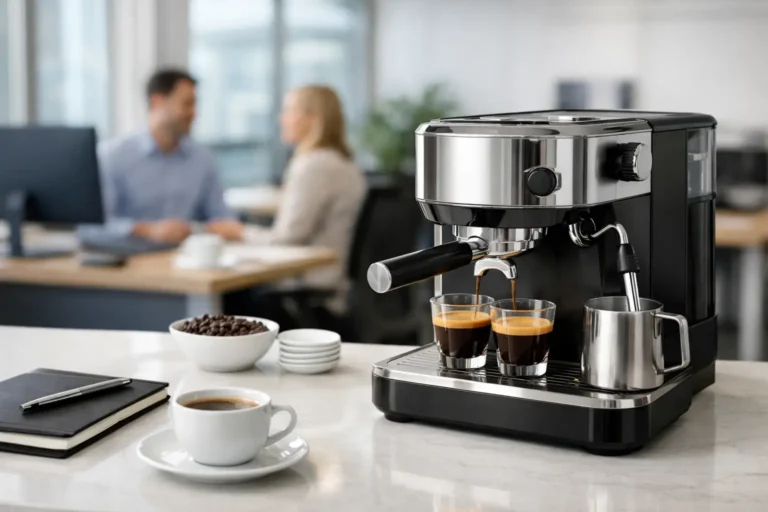
Office Coffee Outsourcing vs Ownership
Office coffee outsourcing vs ownership comes down to cost, control, service, and time. See which model fits your workplace best.
A coffee machine usually looks like a simple office perk until someone has to buy it, clean it, stock it, fix it, and explain why it is out of order before a client meeting. That is where office coffee outsourcing vs ownership becomes a real business decision, not a breakroom detail.
For some companies, owning coffee equipment makes sense. If you want full control, have internal staff to manage the program, and do not mind handling service issues, ownership can work. For many offices, though, the bigger question is not whether they can buy a machine. It is whether they want the job that comes with it.
How office coffee outsourcing vs ownership really differs
The biggest difference is responsibility. With ownership, your business purchases the equipment and takes on the ongoing work that keeps the program running. That includes ordering supplies, training staff, arranging repairs, managing downtime, and making sure the machine still reflects well on your workplace months after installation.
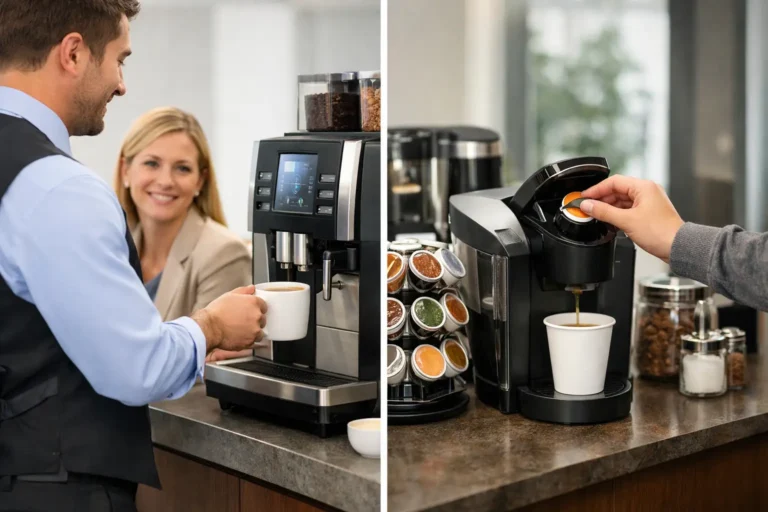
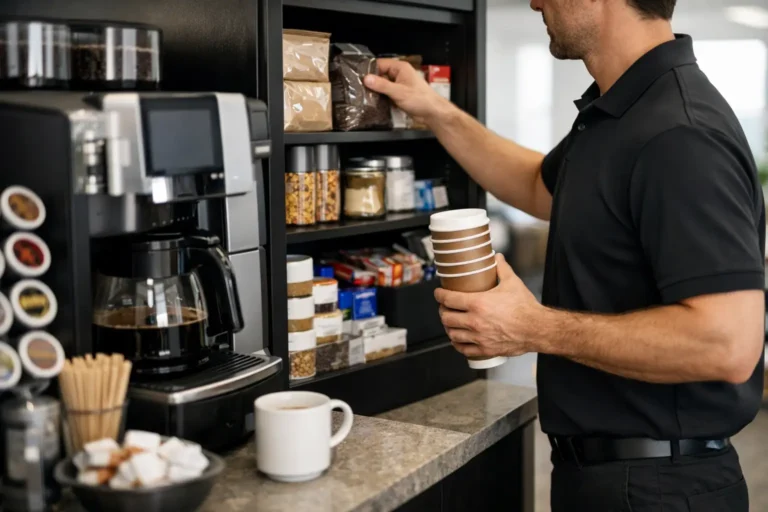
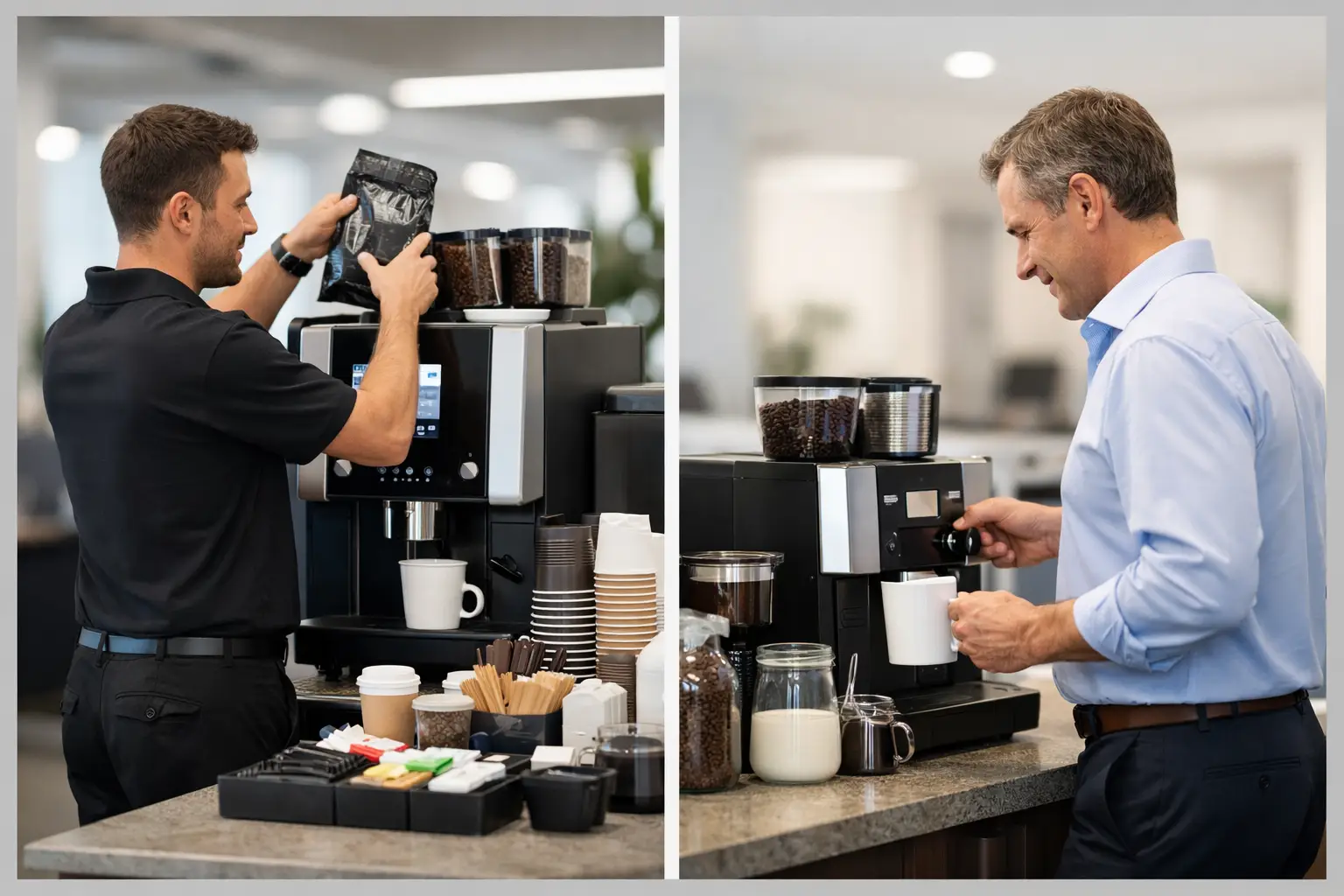
With outsourcing, the provider handles the equipment and the support around it. That usually means installation, beverage planning, regular restocking, maintenance, cleaning, and service calls. Instead of managing a coffee station, your team simply uses it.
That distinction matters more than the machine itself. A premium office coffee setup is only impressive when it is clean, stocked, and working every day. The true comparison is not purchase price versus monthly service fee. It is hands-on management versus hands-off convenience.
Ownership can look cheaper at first
On paper, buying equipment often seems like the budget-friendly move. You pay for the machine, source your own beans and supplies, and avoid an ongoing service agreement. If your office has the time and structure to manage everything well, that model may feel efficient.
The problem is that upfront cost is only part of the story. Commercial coffee machines need routine care. Ingredients need to be monitored. Water filtration, cleaning cycles, wear-and-tear parts, and surprise repairs all affect the real cost over time.
There is also the labor cost that does not always appear in a spreadsheet. When an office manager has to chase down supplies or troubleshoot a machine, that time is coming from somewhere else. In most workplaces, coffee management is not the job people were hired to do.
Ownership tends to work best in businesses that already have facilities support, procurement systems, and internal bandwidth for small but recurring operational tasks. If that structure is missing, the lower sticker price can become an expensive distraction.
Outsourcing often wins on total convenience
Outsourcing is attractive because it removes the hidden work. Instead of purchasing equipment and building a mini beverage program internally, you bring in a partner that already knows how to run one.
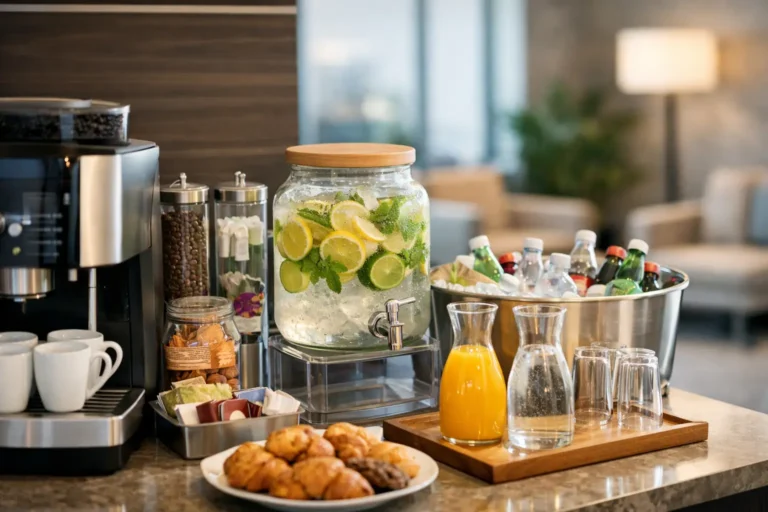
That can be especially valuable for offices that want more than standard drip coffee. Espresso-based drinks, cappuccinos, café lattes, café Americanos, hot chocolate, and seasonal options create a better employee and guest experience, but they also raise the standard for equipment quality and service support. The more premium the offering, the more important dependable maintenance becomes.
A full-service provider keeps the experience polished without asking your team to learn the coffee business. That is a practical advantage, not just a luxury. If your machine is down, ingredients are empty, or cleaning has been inconsistent, the office notices right away.
For many companies, outsourcing is really a decision to protect time and reliability. It keeps the beverage program from becoming one more internal system that someone has to own.
Cost is not just monthly versus upfront
When businesses compare office coffee outsourcing vs ownership, the conversation often gets stuck on one question: do you want to buy or lease the setup? That is too narrow.
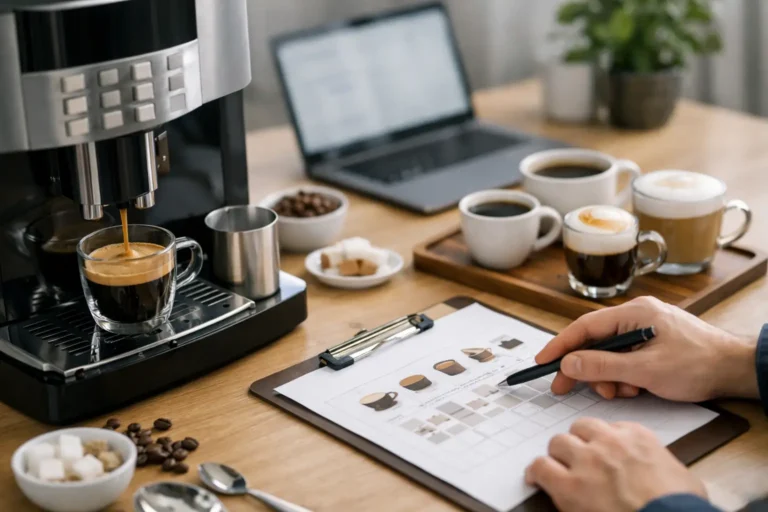
A better question is this: what are you paying for a working coffee program over the next few years?
Ownership usually includes the machine purchase, installation, supplies, repairs, replacement parts, cleaning products, and the internal time needed to manage everything. Outsourcing usually combines equipment access and ongoing support into one predictable service model. That does not always make outsourcing cheaper in every situation, but it often makes the costs easier to plan for.
Predictability matters to office managers and business owners. Surprise repair bills are frustrating. So is buying a machine that looked impressive at purchase and then turns into a maintenance headache six months later.
If your company values steady operating costs and fewer interruptions, outsourcing may be the cleaner financial fit. If you are comfortable absorbing uneven costs in exchange for direct ownership, buying may still make sense.
Control is the strongest argument for ownership
To be fair, ownership does offer one clear advantage: control. You choose the machine, choose the suppliers, choose the service vendors, and change direction whenever you want.
Some businesses prefer that. They may already have preferred vendors, internal maintenance resources, or very specific standards for how products are sourced and managed. In those cases, ownership can align well with a hands-on operating style.
But control only creates value if your team has the time to use it. If no one is actively managing the program, control becomes another word for burden. A coffee station does not improve on its own. It needs attention.
That is why many growing companies eventually move away from ownership. They realize they did not actually want total control. They wanted a dependable result.
Service quality changes the whole equation
Coffee in the workplace is partly about the beverage and partly about the impression it leaves. Employees notice when the office offers something better than a basic pot in the corner. Clients notice when they are greeted with a café-style drink instead of an apologetic mention that the machine is acting up again.
This is where outsourcing can create a bigger return than people expect. A service-driven provider is not just delivering beans and equipment. They are helping you maintain a consistent experience.
That consistency matters for recruiting, retention, hospitality, and everyday morale. A quality office coffee program tells people your company pays attention to details. It signals that you care about the environment you create for staff and guests.
If that experience is important to your brand, then service support should be part of the decision, not an afterthought.
Which model makes sense for your office?
If your office is small, has simple coffee needs, and does not mind handling maintenance and supply ordering, ownership may be enough. It can work well when expectations are modest and someone internally can keep things organized.
If your company has more than 10 employees, wants a premium beverage program, and prefers not to manage machines, ingredients, and repairs, outsourcing usually becomes the stronger option. That is especially true when your office wants café-style drinks and a setup that stays client-ready without daily oversight.
For many Canton-area businesses, the practical issue is not coffee alone. It is whether the office wants another operational task on its plate. A full-service partner like Sip and Smile Gourmet Coffee is built for companies that want the benefits of a polished beverage program without turning it into one more thing to manage.
The better question to ask before you decide
Instead of asking, “Should we buy a coffee machine or outsource one?” ask, “What kind of experience do we want to maintain, and who is going to keep it that way?”
That question tends to lead to a clearer answer. If your team wants simplicity, reliable service, better drinks, and fewer interruptions, outsourcing is often the smarter path. If you truly want to manage the details yourself, ownership can still be the right move.
The best office coffee setup is not the one with the lowest starting price. It is the one your team can count on Monday morning, before the first meeting starts and before anyone has time to deal with a machine that needs attention.