Automated Espresso Stations for Better Workdays
Automated espresso stations give Canton offices café-quality drinks, happier teams, and dependable service without adding work to the daily office routine.
A client walks into your office on a cold Canton morning, and your receptionist offers a fresh café latte instead of pointing toward a pot of burnt coffee. An employee takes a two-minute break for a cappuccino that actually tastes like a cappuccino. That is the everyday difference automated espresso stations can make in a workplace.
For businesses with 10 or more employees, a premium coffee program is more than a breakroom upgrade. It is a practical way to make people feel welcome, supported, and glad to be there. The right setup gives your staff and guests a choice of café-style drinks without asking an office manager to become the in-house barista, repair technician, and supply buyer.
Why Better Coffee Makes a Difference at Work
Workplace perks do not have to be flashy to be meaningful. Coffee is part of the daily rhythm for most offices, medical practices, dealerships, professional firms, and manufacturing facilities. When that daily ritual feels thoughtful, people notice.
A quality espresso station gives employees an easy reason to step away from their desks, recharge, and return ready to focus. It also creates a more polished experience for clients, job candidates, vendors, and visiting partners. Serving a café Americano, latte, hot chocolate, or French vanilla drink says something different than offering a packet of instant coffee.
There is also a convenience benefit that decision-makers should not overlook. Employees who can get a drink they enjoy at work may make fewer coffee runs during the day. That does not replace lunch breaks or personal errands, but it can reduce the small interruptions that pull people away from the office.
The result is a workplace amenity that supports culture while adding a touch of hospitality to your business. It is a simple improvement, but it reflects well on the company every day.
What Automated Espresso Stations Actually Do
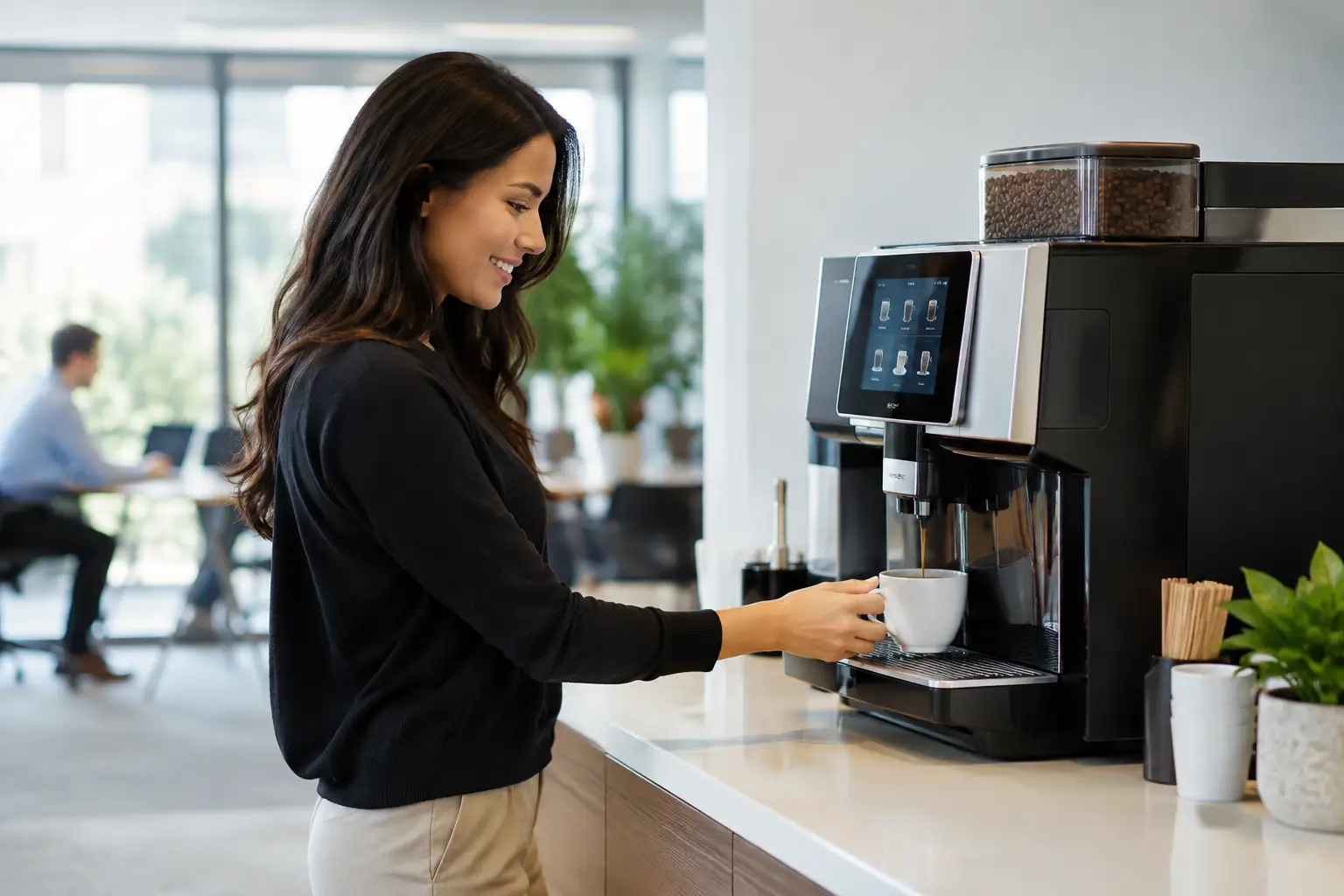
Automated espresso stations are commercial beverage machines designed to prepare espresso-based drinks with a touch of a button. Depending on the machine and ingredient selection, employees can choose from espresso, cappuccinos, café lattes, café Americanos, mochaccinos, hot chocolate, French vanilla drinks, and seasonal favorites.
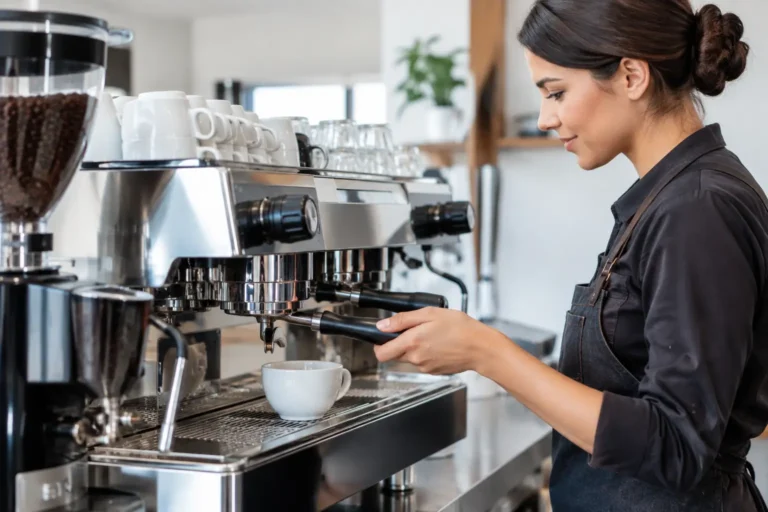
The key difference is consistency. A traditional espresso machine can make excellent drinks, but it requires trained hands, careful measuring, milk steaming, and routine attention. That is a great fit for a coffee shop. It is usually not a realistic responsibility for a busy office administrator.
A commercial automated machine handles the brewing process for the user. Fresh roasted beans are ground and brewed for each drink, while the machine follows programmed settings for the beverage selected. Someone who has never made espresso can press a button and receive a drink with a familiar café-style profile.
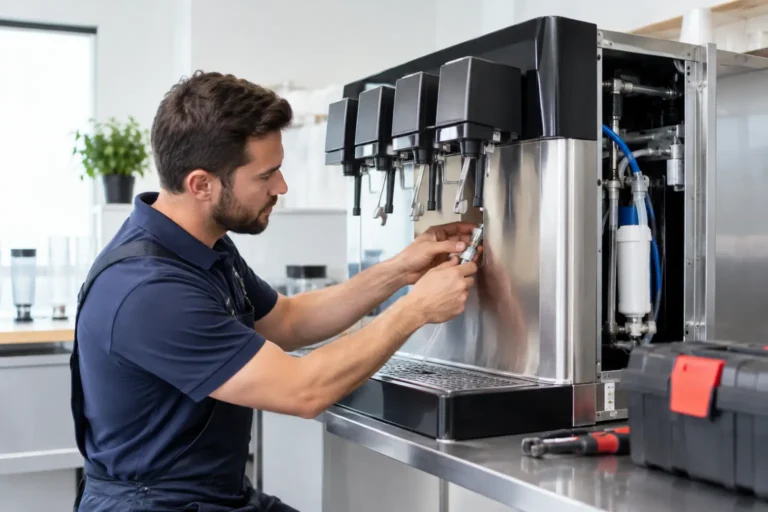
That ease matters, but it should not be confused with a machine that can be ignored. Any espresso equipment needs proper cleaning, ingredient refills, and occasional service. The best workplace programs account for those needs from the beginning rather than handing another ongoing task to an already busy staff member.
More Choice Without More Complication
A basic drip brewer has its place, especially for high-volume black coffee. But it cannot satisfy everyone on its own. Some employees prefer a strong espresso, while others want a creamy latte, a mocha-style drink, or a caffeine-free hot chocolate in the afternoon.
An automated station provides variety in one compact beverage center. That makes it especially useful when your team has different preferences or when you regularly welcome clients into the office. Instead of stocking multiple countertop appliances, syrups, pods, and creamers, you can offer a broader menu through a professionally managed setup.
The best menu is not always the biggest menu. A smaller office may be better served by a focused lineup of coffee, espresso, cappuccino, latte, and hot chocolate. A larger team or client-facing location may benefit from more flavor choices and seasonal options. The goal is to give people drinks they will genuinely use, not create a complicated menu for its own sake.
The Service Question Matters as Much as the Machine
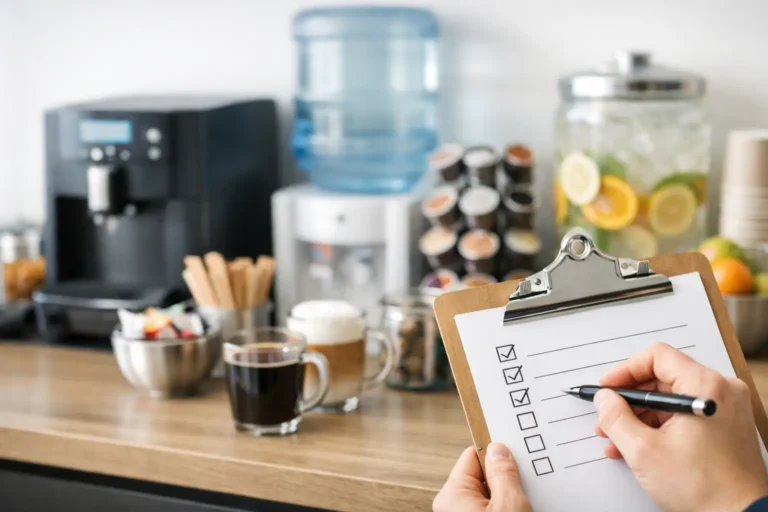
Buying a commercial coffee machine may sound straightforward, but the machine is only one part of the program. Businesses also need beans, beverage ingredients, cleaning supplies, preventive care, troubleshooting, repairs, and someone to notice when supplies are running low.
This is where a full-service workplace coffee provider changes the experience. Rather than purchasing equipment and assigning its care to internal staff, your business can have the equipment installed, stocked, cleaned, maintained, and supported on an ongoing schedule.
For many Canton-area businesses, that arrangement makes better financial and operational sense than ownership. There is no need to research replacement parts, coordinate a repair call, or keep a backup brewer in a closet just in case something goes wrong. Your team gets the benefit of premium drinks, while the service partner handles the behind-the-scenes work.
Sip and Smile Gourmet Coffee builds its programs around this hands-off model, pairing Italian-made barista machines with fresh roasted beans, beverage supplies, weekly maintenance, and local support. It is a practical fit for employers that want to WOW their staff and clients without taking on another facility-management project.
How to Choose the Right Automated Espresso Station
Start with the number of people who will use the machine and when they are likely to use it. An office of 15 people with staggered schedules has different needs than a dealership where several salespeople and customers may want drinks at the same time. Peak demand matters more than headcount alone.
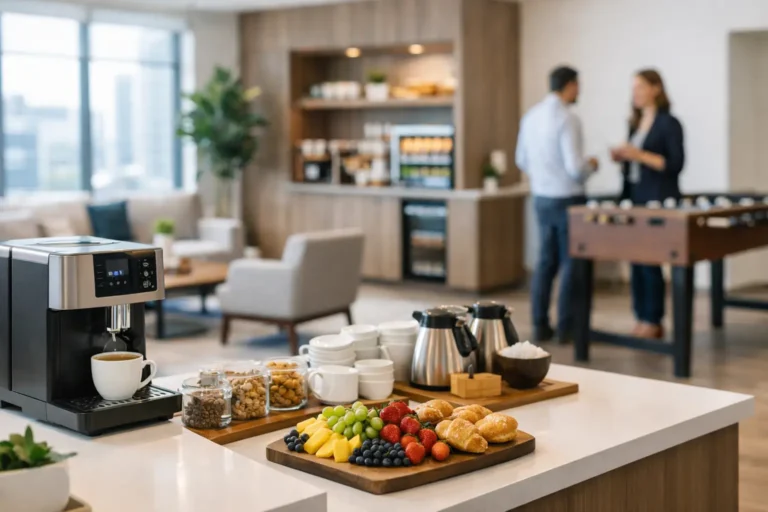
Next, consider where the station will live. A breakroom can support a setup focused on employee convenience. A lobby, showroom, or conference area may call for a more presentation-ready beverage center. In either location, the machine should be easy to access without creating a traffic jam near the refrigerator or microwave.
Water access is another practical consideration. Some commercial systems are designed for direct water connections, while others may use refillable water setups. A direct connection can be especially helpful for higher-volume locations, but the right answer depends on the room, building layout, and expected use.
Then think about the drinks your people actually want. If your team drinks mostly regular coffee, add a dependable coffee option alongside the espresso menu. If lattes and cappuccinos are popular, prioritize a machine that delivers those drinks consistently. If you host customers frequently, include options that work for non-coffee drinkers, such as hot chocolate or flavored beverages.
Finally, ask who is responsible when the machine needs attention. If the answer is “someone in the office,” make sure that person has the time and interest to manage it. Most organizations find that a managed service plan is the simpler choice because it protects the experience that made the espresso station appealing in the first place.
A Premium Perk Should Not Create Extra Work
The best automated espresso stations feel easy from both sides. Employees see a fast, enjoyable drink option. Visitors see a welcoming office. Leaders see an amenity that supports morale and presentation without producing a stack of supply orders and maintenance requests.
There are trade-offs. A premium espresso program will cost more than a basic coffee pot, and a high-traffic office may need a larger machine or more frequent service. But when you weigh that cost against daily employee use, client hospitality, and the time saved by outsourcing upkeep, the value is often clear.
A great workplace coffee program does not need fanfare. It simply needs to work well, taste great, and be ready when someone needs a quick lift at 9 a.m. or a warm welcome at 2 p.m. That is the kind of small detail people remember.