How to Upgrade Employee Breakrooms Without Hassle
Learn how to upgrade employee breakrooms with café-quality drinks, smarter layouts, and service that supports staff, guests, and your team every day.
A breakroom says more about a workplace than most employers realize. It is where employees reset between meetings, connect with coworkers, and decide whether the company’s daily experience feels thoughtful or merely functional. Learning how to upgrade employee breakrooms does not require a full renovation. The right changes can make the space more welcoming, useful, and easier to manage without putting another recurring task on your office team.
For Canton-area businesses, the best approach starts with the everyday experience: What do employees use? What frustrates them? What would make a client or visitor feel well cared for? From there, build a breakroom that delivers a better pause in the day, not just a place to find stale coffee.
Start With the Breakroom Experience You Want
Before ordering furniture or replacing equipment, take a close look at how the room functions now. Observe it at different times of day. A breakroom that appears adequate at 10 a.m. may feel crowded and understocked during the lunch rush. Ask employees a few direct questions about beverages, seating, cleanliness, and the items they regularly bring from home because the breakroom does not provide them.
The goal is not to add every possible amenity. It is to solve the friction that keeps people from using and enjoying the room. For one office, that may mean better coffee. For another, it may be a cleaner counter area, more reliable refrigeration, or a few tables where people can comfortably sit together.
Consider four practical categories as you assess the space:
- Beverage quality and variety
- Seating, flow, and available workspace
- Food storage and preparation needs
- Cleaning, restocking, and equipment upkeep
A small breakroom can still feel premium when these basics work well. In fact, a focused upgrade often delivers more value than a costly remodel that does not address the daily needs of staff.
How to Upgrade Employee Breakrooms With Better Coffee
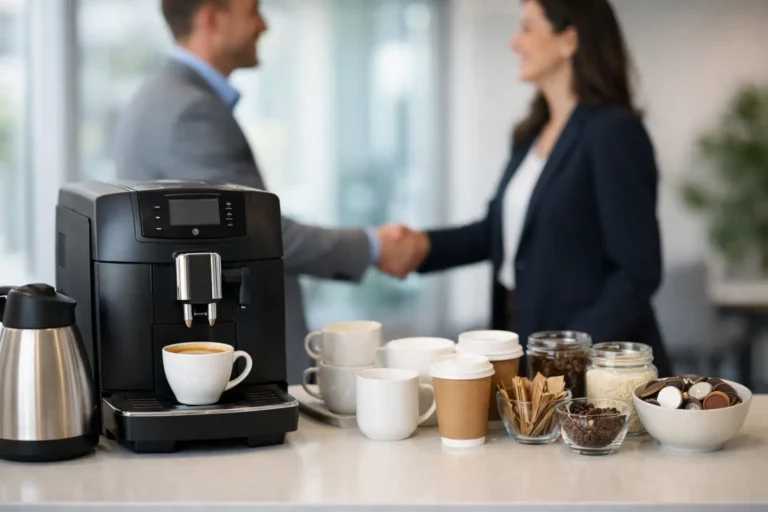
Coffee is usually the most visible breakroom upgrade because it affects the entire workday. A basic pot may technically provide coffee, but it rarely creates the kind of employee or client experience that reflects a company’s standards. It also creates avoidable work: someone buys supplies, someone cleans the machine, and someone has to deal with it when it stops working.
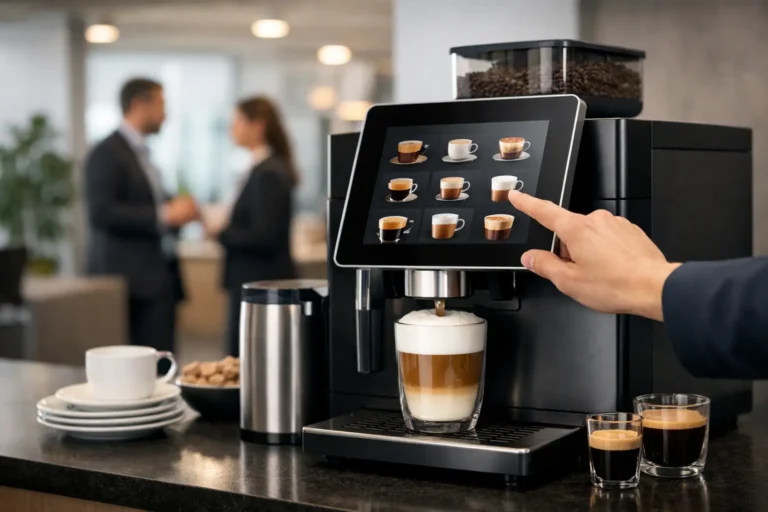
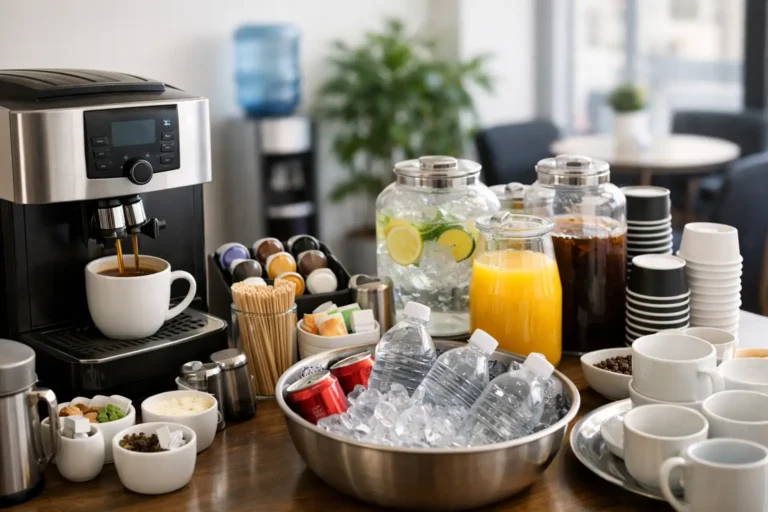
A commercial bean-to-cup barista machine changes that experience. Employees can choose espresso-based drinks, cappuccinos, café lattes, café Americanos, mochaccinos, hot chocolate, French vanilla beverages, and seasonal options with the touch of a button. Fresh-roasted beans and quality ingredients make the difference people can taste, especially for employees who would otherwise leave the office for a coffee run.
The best coffee setup depends on headcount and traffic. A company with 12 employees may need a compact, straightforward solution, while a busy office, dealership, medical practice, or client-facing business may benefit from a higher-capacity machine and broader drink selection. The important question is not simply, “What machine should we buy?” It is, “What experience do we want to provide, and who will keep it running?”
For many employers, owning equipment is not the most convenient path. Leasing or using a full-service workplace coffee provider can remove the burden of installation, bean and ingredient ordering, weekly cleaning, repairs, and restocking. That means a premium coffee program without placing the responsibility on an administrator or office manager.
Make the Space Comfortable, Not Overdesigned
Employees should be able to take a real break without feeling like they are sitting in a storage room with a microwave. Start with comfort and traffic flow. If people regularly stand while waiting for coffee or lunch appliances, keep those areas clear and avoid placing chairs or supply carts in the path.
Choose durable, easy-to-clean seating that fits how employees actually use the room. A few café-height tables can encourage quick conversations, while regular tables better support lunch breaks. If space allows, a small soft-seating corner gives people a quieter place to recharge. You do not need a showroom-style lounge to create a more pleasant environment.
Lighting matters, too. Harsh overhead lighting can make even a newly furnished room feel uninviting. If replacing fixtures is not practical, use warmer accent lighting where appropriate and keep windows clear to bring in natural light. Add a few low-maintenance plants, local artwork, or company photos to give the room personality without creating visual clutter.
There is a trade-off here. Soft furnishings and decorative details can make a breakroom feel more inviting, but they also require cleaning and occasional replacement. In a high-traffic workplace, prioritize materials that look polished while holding up to daily use.
Improve the Essentials Employees Notice Every Day
A great beverage station will not make up for an overflowing refrigerator or a microwave that takes twice as long as it should. Small operational improvements can have an outsized effect on morale because they remove little annoyances from the workday.
Review refrigerator capacity, microwave reliability, counter space, and trash and recycling placement. If lunch traffic creates lines, a second microwave may be a more meaningful investment than another decorative feature. If employees bring lunches from home, clearly labeled refrigerator shelves or bins can reduce confusion and make cleanup easier.
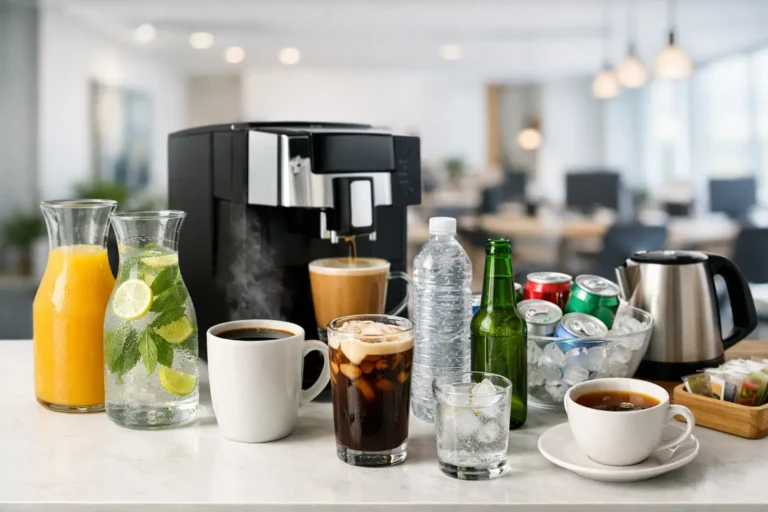
Stock the practical items people expect: napkins, stirrers, cups, utensils, filtered water, and a few basic condiments. The standard should be simple: Employees should not have to hunt for supplies or ask the front desk for a spoon.
For businesses welcoming visitors, keep the beverage area tidy and intuitive. A client should be able to accept a coffee without navigating loose supplies, handwritten instructions, or an empty creamer container. That polish reflects well on your company before a meeting even begins.
Build a Restocking and Cleaning Plan That Sticks
Many breakroom upgrades lose their appeal because no one owns the ongoing routine. The new coffee station runs out of ingredients. The counter collects boxes. The refrigerator becomes a collection of forgotten lunches. A good plan identifies what needs attention, how often, and who is responsible.
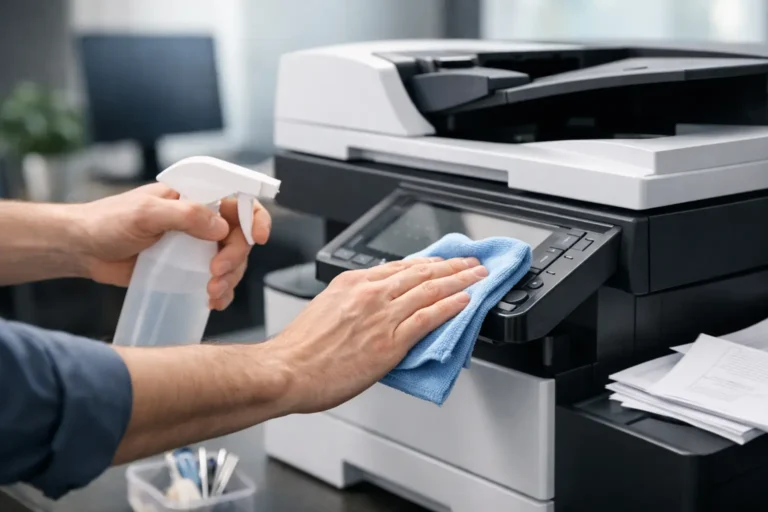
Some tasks can remain internal, such as a quick daily counter wipe-down and end-of-week refrigerator check. Other tasks are better outsourced, particularly when they involve specialized equipment. Commercial coffee machines perform best when they receive regular cleaning, fresh supplies, and prompt service if an issue comes up.
This is where full-service support has real value. Sip and Smile Gourmet Coffee provides Canton businesses with Italian-made barista machines, fresh-roasted beans, beverage ingredients, regular maintenance, cleaning, repairs, and restocking. Instead of assigning coffee management to someone already juggling a full workload, your team can enjoy the benefit while the program is professionally maintained.
Use Employee Feedback Without Letting the Project Drag On
Employees are more likely to appreciate a breakroom upgrade when their preferences are considered, but a committee does not need to debate every detail for months. Keep feedback simple. Ask what people would use most often, then make decisions based on participation, budget, and the needs of your workplace.
For example, specialty coffee drinks may be a clear winner in an office where employees regularly visit coffee shops. In a manufacturing or field-service setting, quick access, durable fixtures, and dependable hot beverages may matter more than lounge seating. A medical office may place extra value on a clean, welcoming client-facing beverage station.
After the upgrade, check in after 30 to 60 days. Are supplies lasting? Is the seating arrangement working? Is the coffee machine handling demand? A few adjustments at this stage can protect your investment and show employees that the company pays attention to the details.
Treat the Breakroom as Part of Your Workplace Culture
The strongest breakrooms are not extravagant. They are dependable, comfortable, and easy to use. They give employees a place to take a breath, share a conversation, and enjoy a quality drink without leaving the building. They also give clients a small but meaningful signal that your company values hospitality.
Choose upgrades that your team will notice every day and that your office can maintain without added stress. When fresh, café-quality coffee and a well-run space become part of the routine, the breakroom stops being an afterthought and starts doing real work for your culture.