Office Espresso vs Drip Coffee: Which Fits?
Comparing office espresso vs drip coffee? See how taste, speed, cost, upkeep, and employee appeal shape the right choice for your workplace.
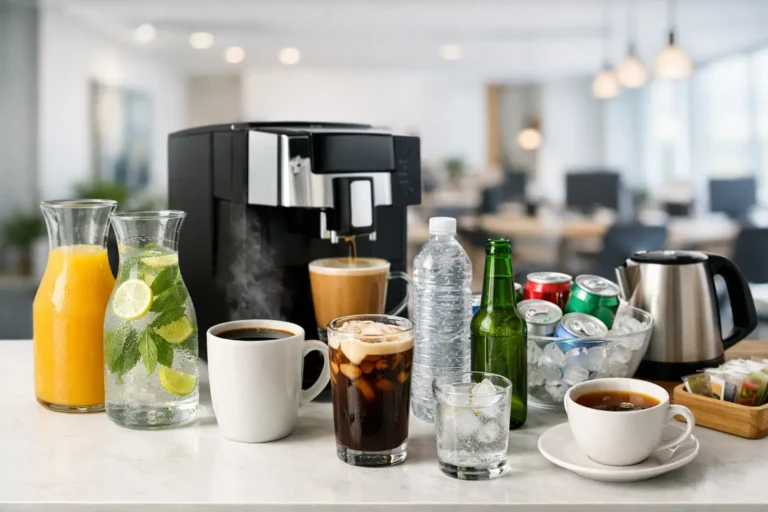
At 8:15 on a busy Monday, the coffee setup in your break room says a lot about your workplace. If your team is lining up for a quick cup before the first meeting, drip coffee may do the job. If employees are asking for lattes, cappuccinos, and café-style drinks that feel like a real perk, the office espresso vs drip coffee decision becomes a bigger business choice.
For office managers, HR leaders, and business owners, this is not really about coffee snobbery. It is about employee experience, client impression, daily convenience, and how much effort you want to spend keeping the beverage station running. The right answer depends on your team, your goals, and how premium you want your workplace hospitality to feel.
Office espresso vs drip coffee: the real difference
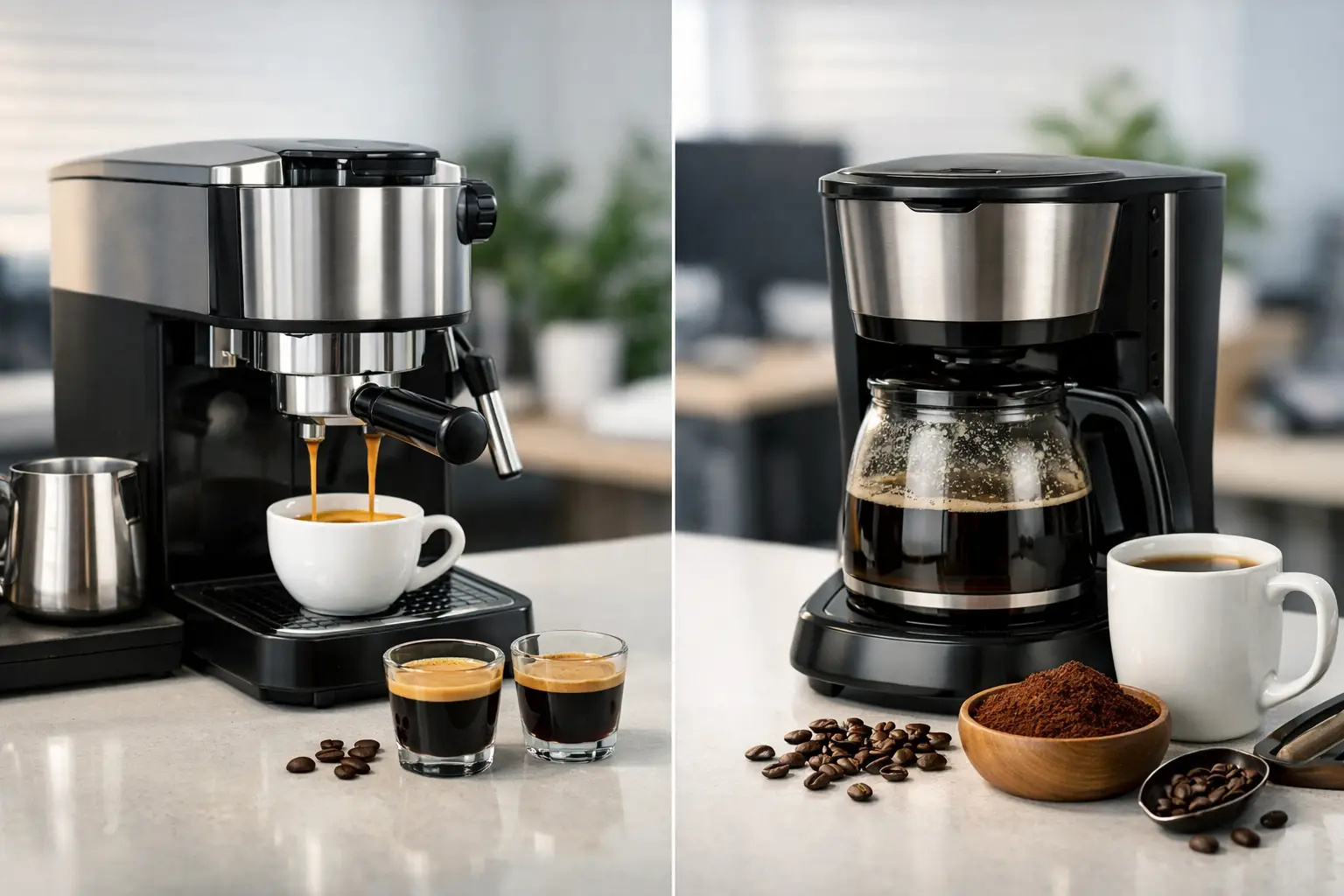
Drip coffee is built for volume and familiarity. It is straightforward, easy to understand, and well suited to teams that mainly want a standard cup of coffee without much customization. In many offices, it has been the default choice for years because it is simple to serve and generally easy to budget for.
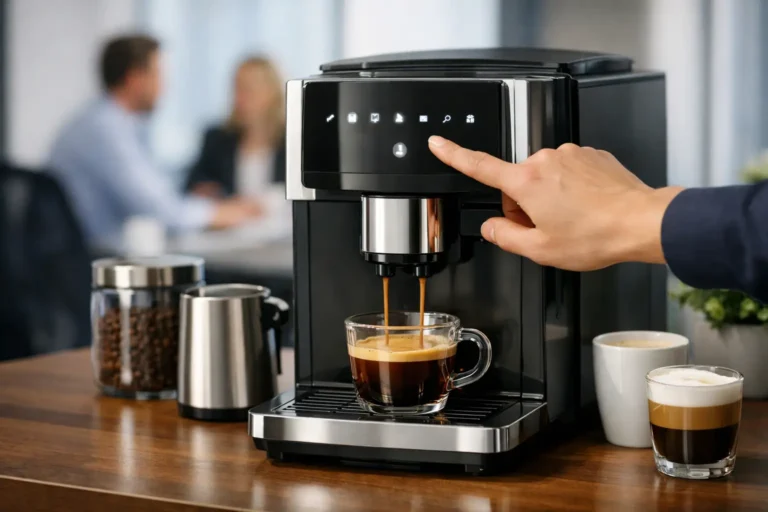
Espresso is different. It starts with a more concentrated coffee base and opens the door to a full menu of drinks, from straight espresso to Americanos, cappuccinos, lattes, and flavored beverages. In an office setting, that means the coffee station can feel less like a break room necessity and more like a benefit employees actually talk about.
That distinction matters. A standard drip setup provides caffeine. A well-designed espresso program can provide a better daily experience.
What your employees actually want
Most offices are not made up of one kind of coffee drinker. Some employees want a basic black coffee and want it fast. Others are used to ordering espresso drinks on the way to work and would gladly skip the coffee shop if the office offered something better than a basic pot.
This is where drip coffee can feel limiting. It works well for people who like their routine simple, but it does not offer much variety unless you add separate creamers, syrups, and extra equipment. Even then, the result is still drip coffee with add-ons.
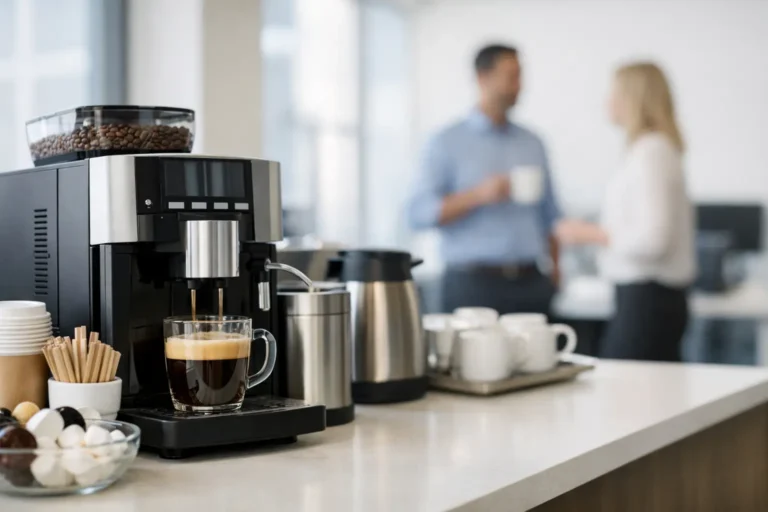
Espresso-based systems tend to match modern preferences more closely, especially in offices with larger teams or client traffic. They give employees choices without requiring someone in the office to play barista. One-touch commercial machines can produce a range of drinks quickly and consistently, which makes the experience feel elevated without creating extra work.
If your goal is to improve morale or make your office feel more polished, variety matters. People notice when the company invests in something better than the bare minimum.
Taste and quality are not small details
Coffee quality influences whether employees use the setup every day or go back to the drive-thru. Drip coffee can taste perfectly fine when it is brewed fresh and managed well. The challenge is consistency. A pot that sits too long, a machine that is not cleaned often enough, or coffee that is measured inconsistently can produce the kind of break room coffee people tolerate rather than enjoy.
Espresso systems, especially commercial bean-to-cup machines, tend to create a more consistent result. Freshly ground beans, measured extraction, and automated drink settings reduce the guesswork. That matters in a workplace because consistency is what keeps the beverage program from becoming one more thing employees complain about.
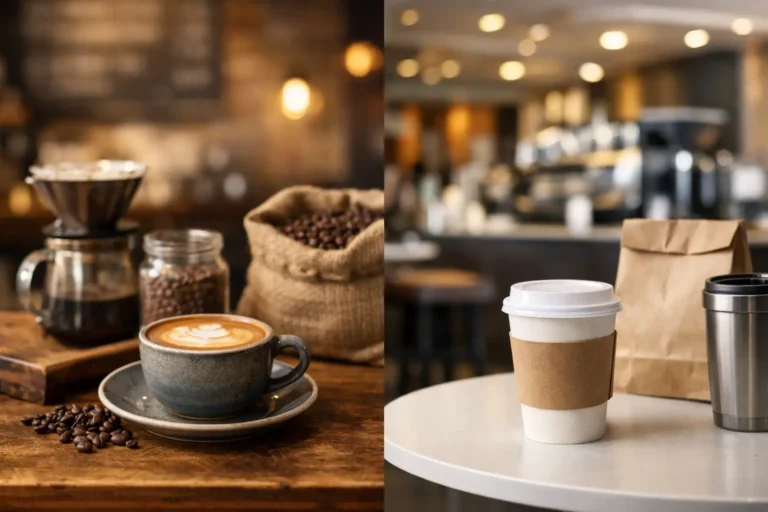
There is also a perception difference. Espresso drinks feel premium. They create the kind of experience people associate with cafés, hotels, and well-run client spaces. If customers, candidates, or guests spend time in your office, that impression can carry real value.
Speed, traffic, and the flow of your break room
The best choice also depends on how your office moves during the day. Drip coffee is efficient for large groups when everyone wants the same thing at roughly the same time. A fresh pot can serve multiple people quickly, which is useful in traditional office routines.
But many workplaces no longer run on one shared schedule. Teams arrive at different times, hybrid employees come and go, and beverage preferences vary widely. In that environment, a pot of drip coffee can become stale between rushes, and someone always ends up making the next batch.
An espresso machine with one-touch options can handle staggered demand well. Employees can walk up, choose their drink, and move on without brewing a new pot or dealing with leftover coffee. For offices with steady traffic throughout the day, that can be more practical than it sounds.
There is a trade-off, of course. If you choose a low-capacity espresso machine for a high-traffic office, lines can form. The machine has to fit the size and pace of the workplace. That is why the setup matters just as much as the drink menu.
Cost is more than the machine price
When businesses compare office espresso vs drip coffee, the conversation often starts with cost. On the surface, drip looks cheaper. The machines are generally simpler, and the ingredients are straightforward. If your only goal is to provide basic coffee at the lowest possible price, drip may win.
But direct cost is only part of the picture. There is also supply management, cleaning time, employee dissatisfaction, service calls, stale product waste, and the hidden cost of a workplace perk that nobody is excited about. A coffee program should not just exist. It should support the kind of culture and experience you want to create.
Espresso programs can cost more, especially with commercial equipment and a wider beverage offering. But they also deliver more value when they are built correctly. Instead of supplying one standard drink, you are offering a café-style experience in-house. For many employers, that helps justify the investment because it supports retention, recruiting, hospitality, and overall workplace satisfaction.
It also matters whether you are buying and managing equipment yourself or using a service model. Ownership can look economical at first, but repairs, cleaning, restocking, and downtime often tell a different story.
Maintenance is where many office coffee plans fall apart
This is the part buyers often underestimate. Drip coffee sounds simple until someone has to keep filters stocked, clean the brewer, wash airpots, monitor inventory, and deal with the burnt-pot problem. Espresso sounds more advanced, but modern commercial systems can be surprisingly easy for users when the right support is in place.
The real question is not which machine looks easier. It is who is responsible when something needs attention.
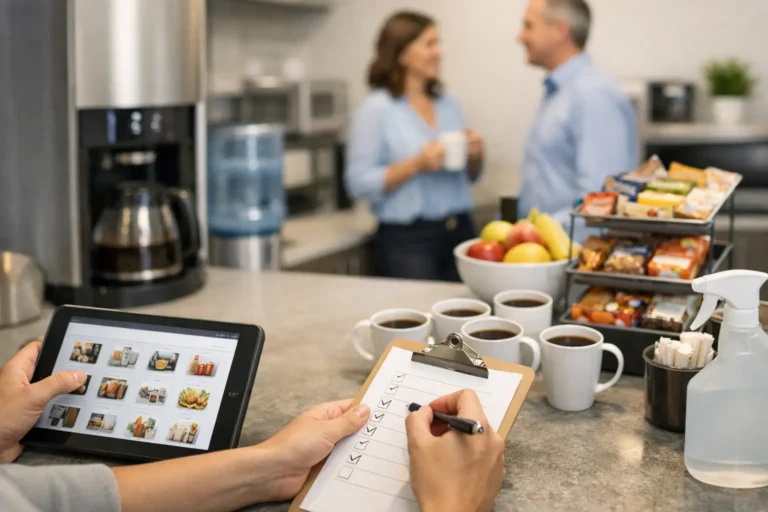
If your office manager is already juggling vendors, supplies, and employee requests, adding coffee equipment maintenance is not a great use of time. A beverage program works best when it feels effortless on your end. That is one reason many companies prefer a full-service setup that includes installation, fresh supplies, regular cleaning, and ongoing support. The premium experience only stays premium if the machine is stocked, clean, and working properly.
Which option makes the better impression?
If your break room is strictly internal and your employees are happy with a simple cup of coffee, drip can be enough. There is nothing wrong with practical.
But if clients visit your office, if candidates interview on site, or if you want your workplace to reflect a more polished standard, espresso usually creates the stronger impression. Offering a cappuccino, latte, Americano, or hot chocolate at the touch of a button feels thoughtful and current. It tells people your company pays attention to the details.
That does not mean every office needs a full café menu. It means the beverage experience should match your brand. A firm that wants to wow staff and guests will usually outgrow the basic coffee pot faster than expected.
How to choose between office espresso and drip coffee
A good decision starts with a few honest questions. What do your employees actually drink? How many people use the coffee station each day? Is coffee simply a utility, or is it part of your company culture and client experience? How much time does your team have to manage supplies, cleaning, and machine issues?
If your office mainly wants traditional coffee in high volume and cost control is the top priority, drip may be the right fit. If you want variety, stronger employee appeal, and a more upscale workplace experience without adding internal work, espresso is often the better long-term move.
For many growing companies, the answer is not choosing the cheapest option. It is choosing the option employees will use, appreciate, and remember. That is why businesses around Canton often lean toward a managed espresso solution through a local partner like Sip and Smile Gourmet Coffee. It keeps the experience high-end while taking the operational burden off your team.
The best office coffee setup is the one that fits your people and runs without headaches. When coffee feels easy, dependable, and a little more impressive than expected, it stops being just another office supply and starts working in your favor every single day.